How to Order Food in Korea Without Stress: Kiosks, Table Tablets & Real Restaurant Flow
A first-timer’s practical ordering workflow for Korea: how to recognise kiosks, table tablets and staff ordering; what happens at barbecue restaurants; how solo orders, shared dishes, refills, allergies and payment actually work.
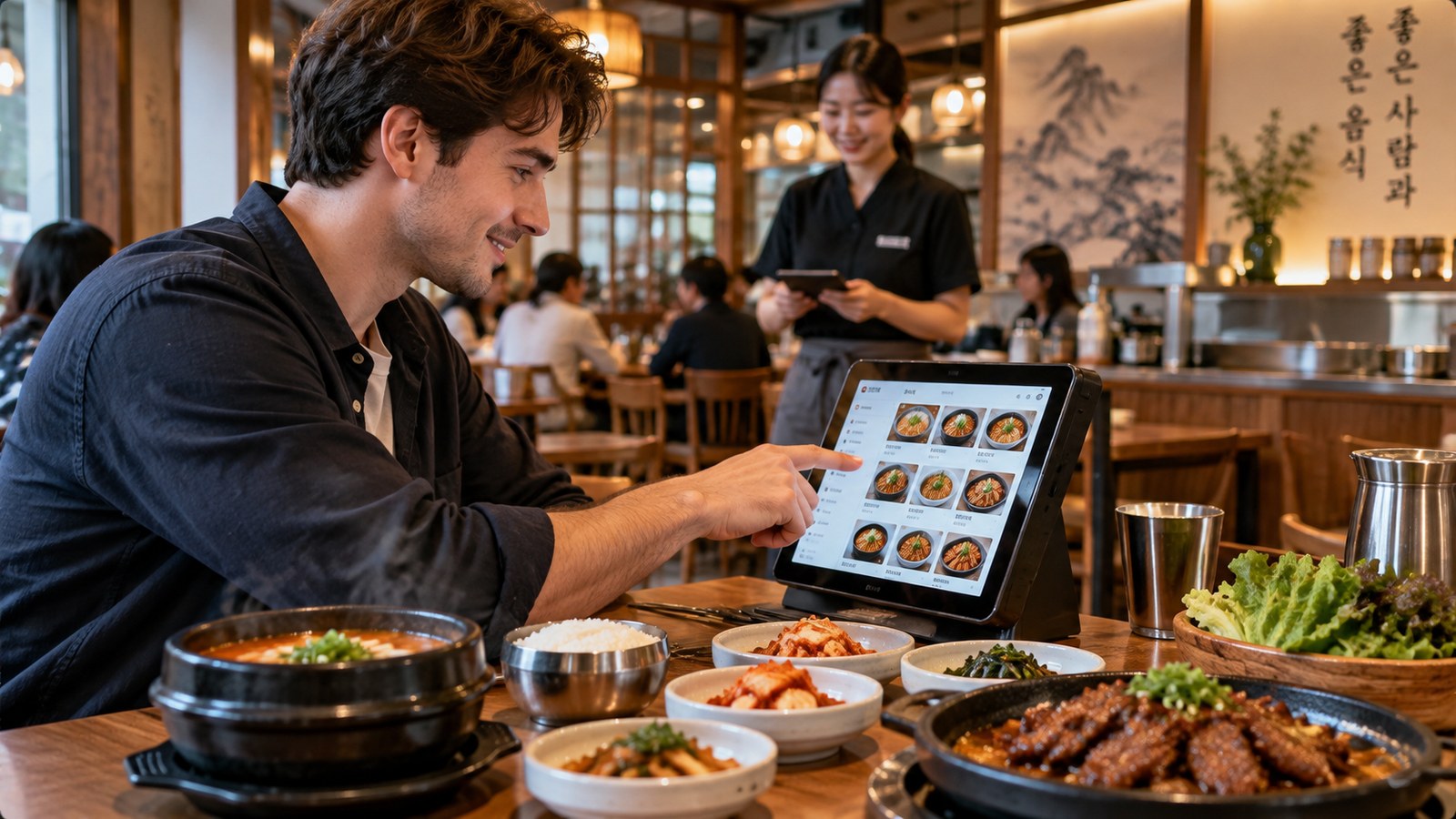
First identify kiosk, table tablet or staff ordering
You do not need one perfect Korean script. Recognise the ordering channel, confirm quantity, learn where payment happens and add extras only after the first order is clear.
Ordering food in Korea is easier when you stop looking for one universal procedure. A restaurant may use a self-service kiosk at the entrance, a tablet fixed to the table, a QR menu, a paper menu with staff ordering, or some combination of these. Payment may happen immediately at the kiosk, at a counter after eating, or at the table in a more service-oriented restaurant. The skill a visitor needs is not memorising one script—it is learning to recognise the restaurant's ordering channel.
The 30-second check after you enter
- Look near the entrance. A standing touchscreen usually means order or queue there before sitting.
- Look at the table. A fixed tablet often means you can browse, change quantities and send additions without calling staff.
- Look for a call button. A small bell/button labelled 호출 or 벨 often means staff service is expected when you need something.
- Watch one other table. Ten seconds of observation can tell you more than guessing from the menu.
- If unsure, ask: “주문은 어떻게 해요?” (Jumun-eun eotteoke haeyo? — How do I order?)
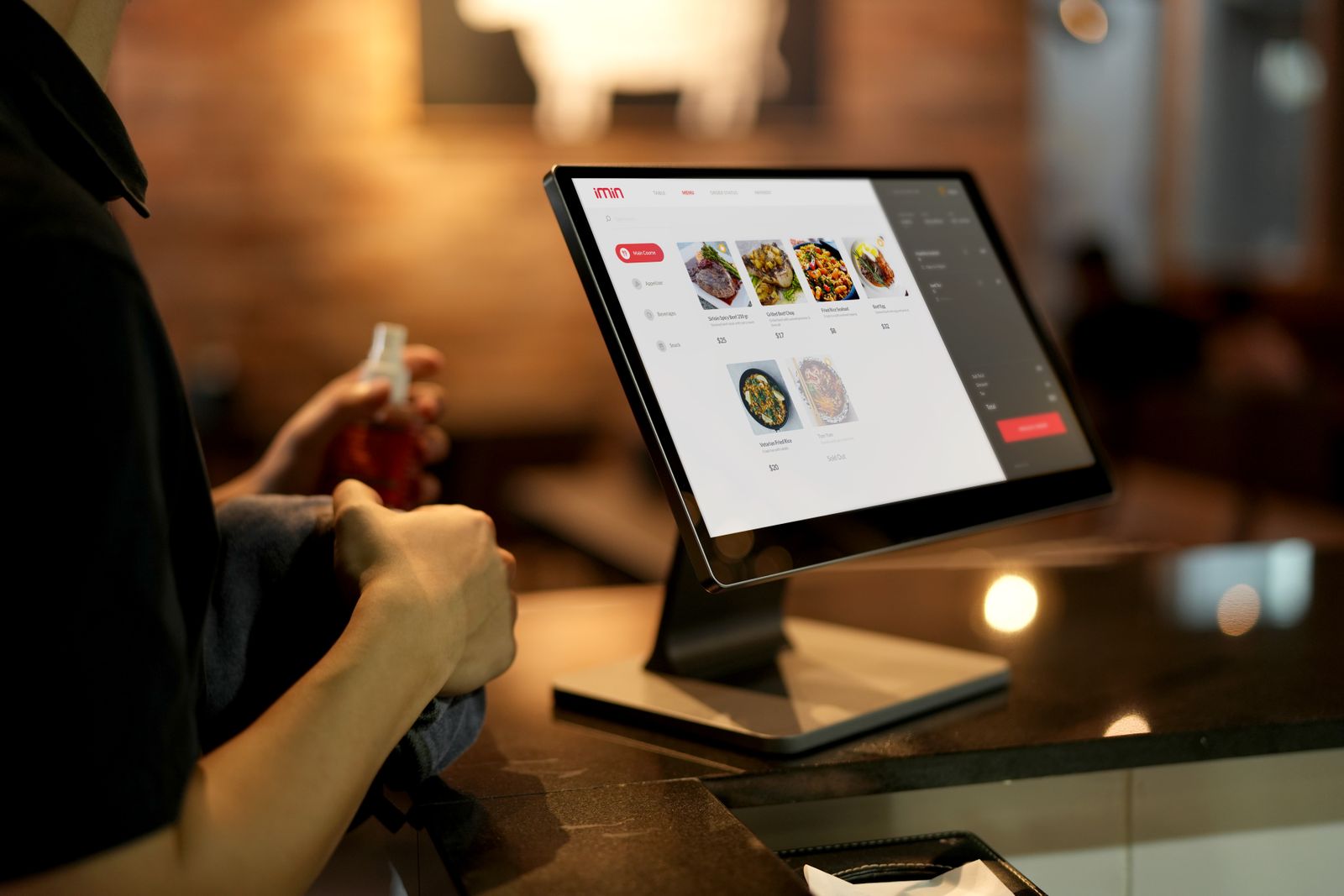
Kiosk ordering: treat it like an airport check-in screen
A restaurant kiosk is usually the most structured ordering environment. First look for a language button. Then choose dining mode if the screen asks between eating here and takeaway, select the item, review options such as size or add-ons, confirm quantity and look carefully at the payment step. Some kiosks take card payment immediately; others issue an order number or ticket for later payment.
Do not rush because a queue is behind you. It is faster to spend 20 extra seconds checking quantity than to discover that you ordered two sets or the wrong spice level. If the screen appears Korean-only, use your phone camera translation or ask staff for help rather than tapping randomly.
Table tablets: easiest for groups if you use the cart properly
Table ordering is common in casual restaurants because it lets a group browse categories, add extra drinks or side dishes and send another order later. The useful habit is to treat the order as a shared cart. Before pressing the final order button, confirm the item count with the table.
Useful Korean labels to recognise include 주문 (order), 장바구니 (cart), 추가 (add), 수량 (quantity), 결제 (payment), and 직원호출 (call staff). The exact wording varies, but recognising two or three of these removes much of the stress.
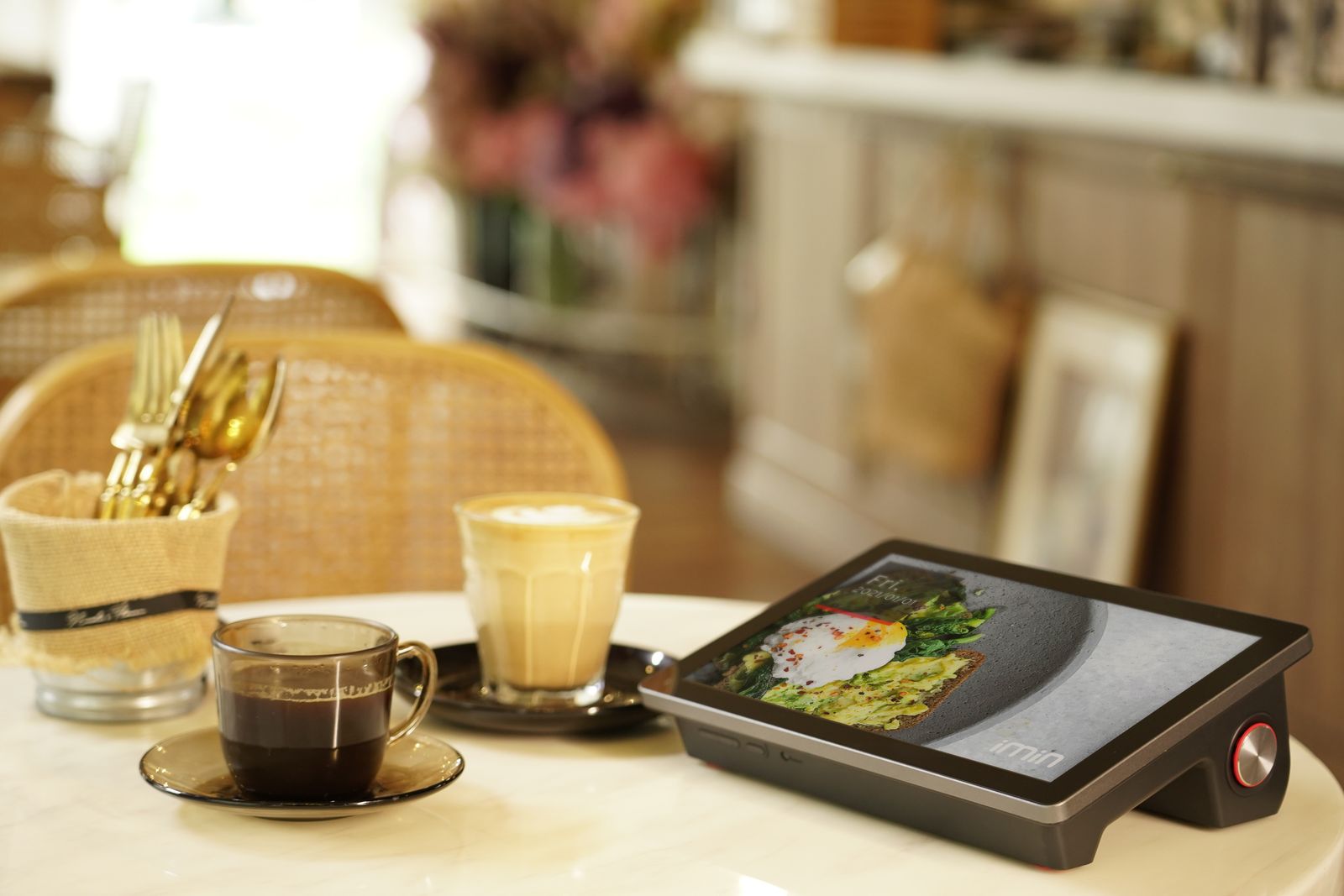
Staff ordering: a short sentence beats a long explanation
For ordinary restaurants, pointing politely at the menu and saying “이거 하나 주세요” (Igeo hana juseyo — one of this, please) works well. For two, replace 하나 with 둘 or simply show the quantity with your fingers. You do not need to perform a full Korean conversation. Clear item + quantity + a polite 주세요 is enough in many situations.
Korean barbecue has a different rhythm
At barbecue restaurants, meat is commonly sold by portion and some restaurants require a minimum first order, especially for two-person portions. This is a house rule rather than a national rule, so read the menu before assuming a solo diner can order one portion. Staff may cook the meat for you, start the grill and then leave you to continue, or expect you to cook it yourself.
Side dishes arrive automatically in many barbecue restaurants. Some can be replenished, but do not assume every dish is unlimited. If you want more, point to the dish and ask “이거 더 주세요” (more of this, please). If there is a self-service bar, use that rather than repeatedly calling staff.
Solo dining: choose the restaurant format, not just the dish
Korea is much easier for solo eating than stereotypes suggest, but restaurant format matters. Noodle shops, gukbap, gimbap, fast-casual rice bowls, food courts, cafés and many franchise restaurants are naturally solo-friendly. A large barbecue set, hotpot or shared seafood dish may be designed around two or more people.
Instead of asking “Can I eat Korean food alone?”, ask “Is this menu built around an individual bowl or a shared table?” That single distinction predicts the experience better.
What is free, what is self-service, and what costs extra?
| Item | Common pattern | Do not assume |
|---|---|---|
| Water | Often free; sometimes self-service | That bottled/mineral water is free |
| Banchan | Often included with a Korean meal | Every side dish has unlimited refills |
| Rice | May be included with some set meals | That every stew or meat order includes rice |
| Extra noodles / cheese / egg | Usually menu add-ons | That toppings are complimentary |
| Wet tissues / utensils | Often on the table or in a drawer | That staff must bring them |
Dietary restrictions and allergies: make the risk visible
Do not rely only on the English dish name. Broths, sauces and kimchi can contain ingredients that are not obvious from the menu title. If an allergy is medically important, carry a written Korean allergy card that names the specific ingredient and says that even a small amount is a problem. “못 먹어요” merely says you cannot eat something; it may not communicate the seriousness of an allergy.
If staff cannot confidently answer, choose a simpler dish with ingredients you can verify rather than trying to negotiate a complex shared sauce. The 1330 Korea Travel Helpline can also assist visitors with general travel communication questions.
Paying: counter, table or kiosk?
In many casual restaurants you pay at the counter near the exit, even if you ordered at the table. In other restaurants, the table tablet or kiosk handles payment. If you are ready to leave and no bill arrives, do not sit waiting indefinitely—look for the checkout counter. For card compatibility and cash backup, see Paying in Korea.
A no-stress ordering routine
Recognise the ordering channel → choose the smallest clear order → confirm quantity → learn where payment happens → add extras only after the first order arrives. This is more reliable than memorising dozens of phrases.
Sources and useful official resources
Last reviewed: 29 September 2026. Ordering technology is restaurant-specific; the workflow is designed to remain useful even when the interface changes.
Continue planning from here
Use the next step that matches the decision you are making now: first Korean meal guide, dining etiquette guide, tipping guide. These links are selected to continue the same travel task rather than send you back to a generic category page.
Use the guide, then test your own situation
After learning how to order, set the food budget you are comfortable spending per day and let it flow into the whole trip plan.
Related Guides
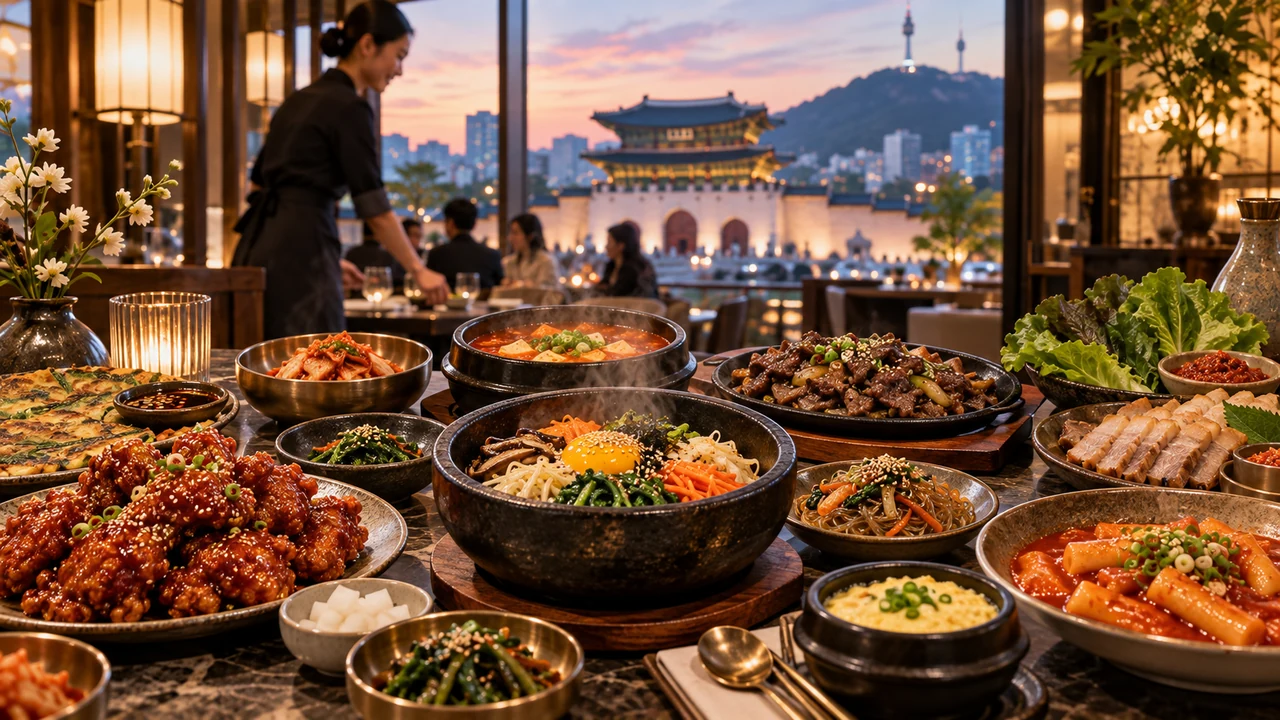
Korean Food for First-Time Visitors: Tourist Favourites vs Everyday Korean Picks
Compare the Korean dishes global consumers choose most often with the foods that function as everyday Korean meals, then pick a first dish by spice, format and confidence.
Korean Convenience Store Food: Build a Better Meal, Not Just a Snack Haul
Use CU, GS25, 7-Eleven and other Korean convenience stores intelligently: build breakfast, lunch, late-night and low-effort meals, understand microwave/ramyeon stations, compare tourist hits with everyday choices and avoid random overspending.
Korean Dining Etiquette vs USA, UK & Japan: A Visitor’s Guide
Compare Korean restaurant habits with familiar US, UK and Japanese expectations, from banchan and call buttons to shared dishes, payment and tipping.