Korean Convenience Store Food: Build a Better Meal, Not Just a Snack Haul
Use CU, GS25, 7-Eleven and other Korean convenience stores intelligently: build breakfast, lunch, late-night and low-effort meals, understand microwave/ramyeon stations, compare tourist hits with everyday choices and avoid random overspending.
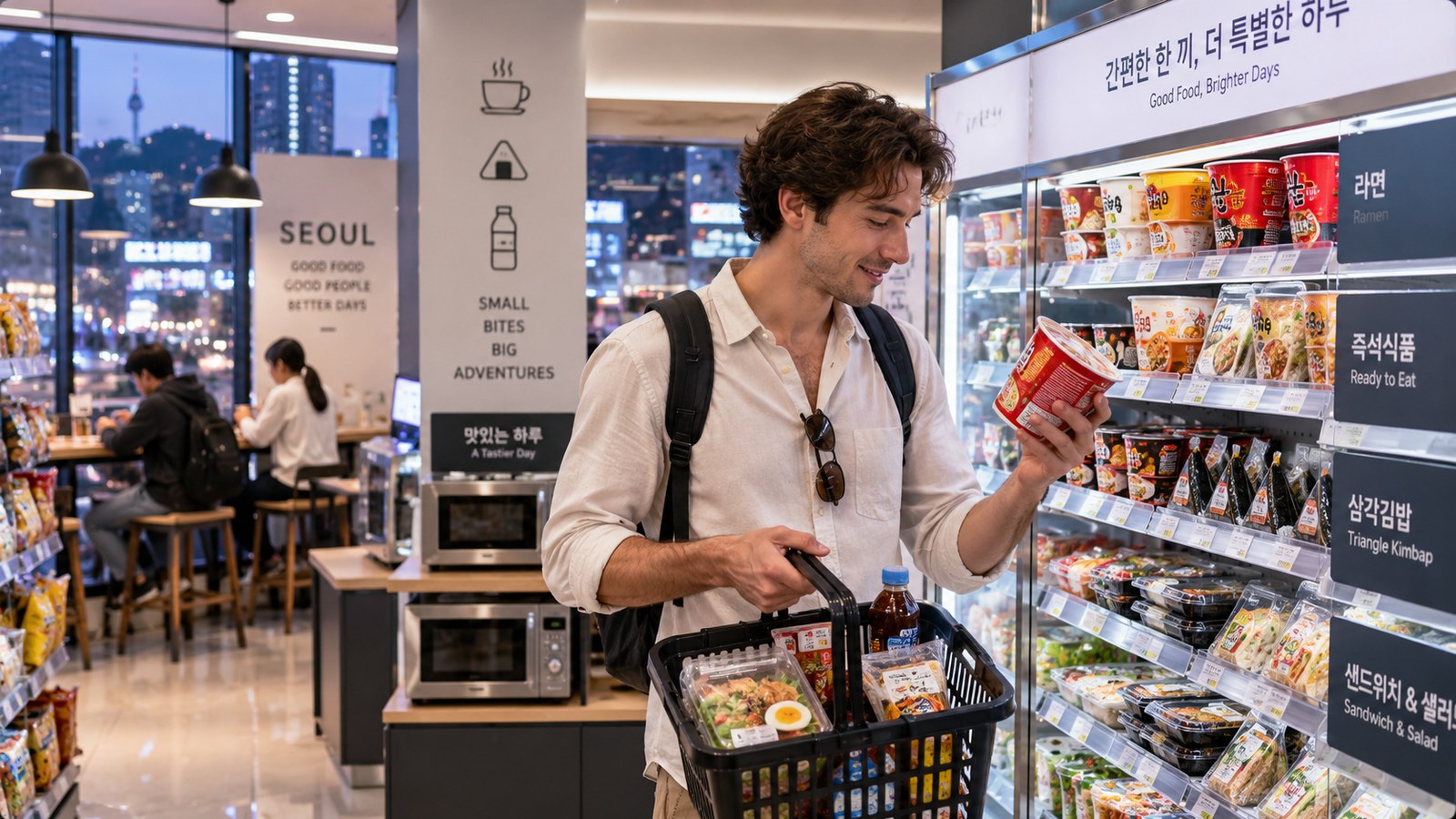
Choose one main + one useful side + one drink + one discovery item
The store is most useful as a compact meal system. Use it for breakfast, a quick lunch, late-night backup or one K-food experiment—not a basket of unrelated viral snacks.
Korean convenience stores are worth visiting, but the useful part is not collecting every viral snack. They function as compact food systems: ready meals, rice, noodles, eggs, salads, drinks, coffee, desserts, basic toiletries, travel supplies and often a microwave or eating counter. Korea Tourism Organization describes convenience stores as a window into current K-food trends and highlights lunch boxes, ramyeon, triangle gimbap and drinks as practical staples.
The smartest way to shop is to build a meal around a purpose: breakfast, fast lunch, late-night meal, protein-focused snack, spicy-food experiment or travel-day backup.
The meal-builder formula
| Layer | Examples | Why it matters |
|---|---|---|
| Main carbohydrate | Samgak gimbap, gimbap roll, dosirak rice, ramyeon, sandwich | Turns random snacks into a meal |
| Protein / substantial side | Eggs, chicken, tuna item, tofu/soy item, yogurt | Adds staying power |
| Fresh / lighter side | Salad, fruit cup, simple vegetable side | Balances a salty or fried main |
| Drink | Water, tea, coffee, milk drink | Choose intentionally instead of automatically adding sugar |
| One fun item | New dessert, seasonal snack or viral product | Keeps the experience fun without making the basket entirely experimental |
Breakfast: the easiest place to use a convenience store well
For an early departure, a convenience store can be more efficient than searching for a café that opens early. A simple breakfast might be a triangle gimbap plus egg and coffee, yogurt plus fruit and a small sandwich, or a warm rice item with soup. The advantage is control: you can see the portion and assemble exactly what you need.
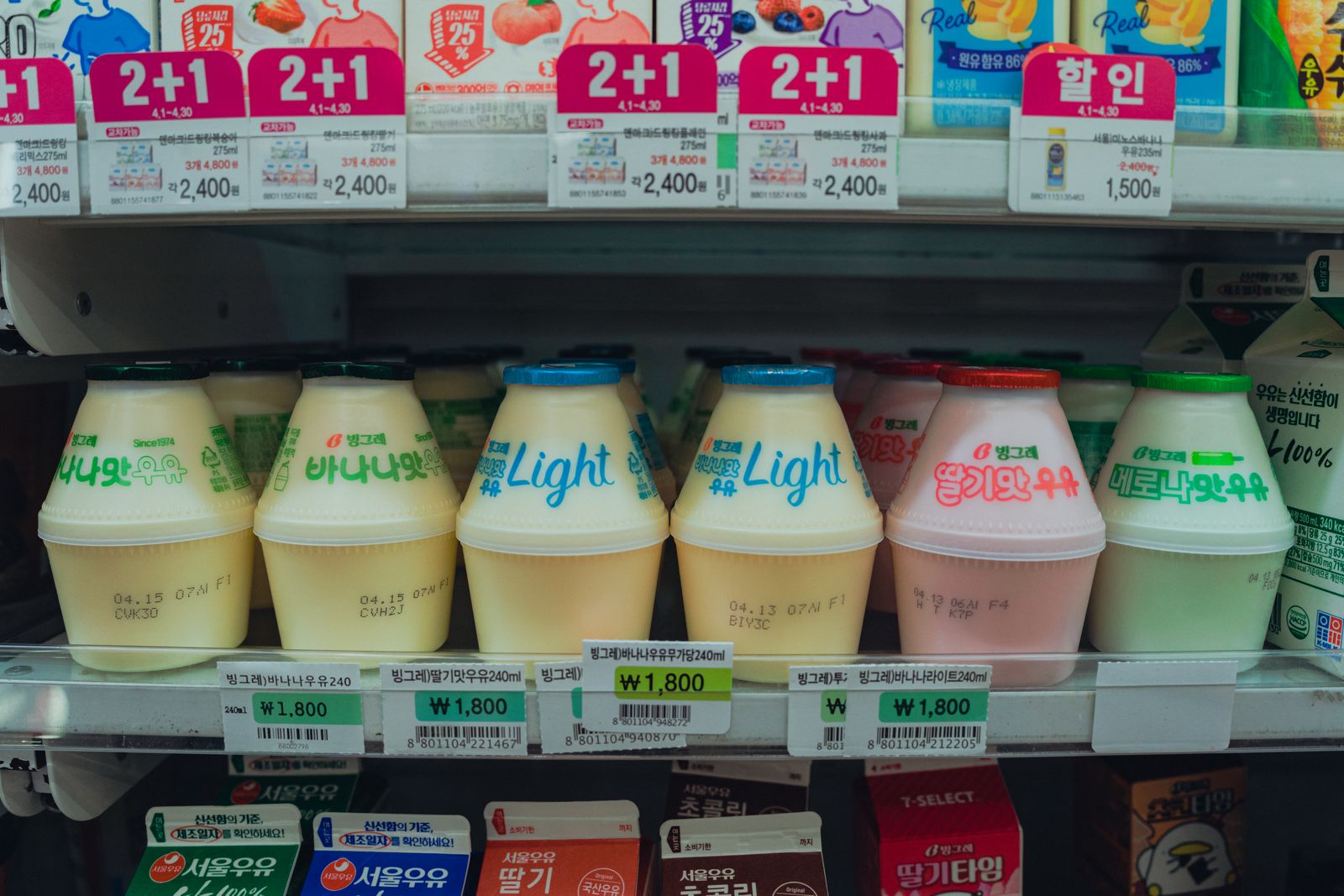
Lunch: compare a dosirak with the restaurant you are skipping
Dosirak lunch boxes can be good value when the alternative is losing sightseeing time to a restaurant queue. But the lowest sticker price is not always the best meal. Look at protein, vegetables and portion size. If the box is mostly rice and fried items, adding a salad or egg may make a more satisfying lunch than adding another snack.
Ramyeon: experience versus everyday practicality
Self-service ramyeon is part food and part travel experience. Some stores have hot-water machines or dedicated ramyeon cookers and seating. KTO has even highlighted specialised ramyeon convenience-store concepts such as the CU Ramyun Library in Hongdae. For a first visit it is fun; for an everyday meal, remember that adding eggs, gimbap, cheese and a sweet drink can turn a “cheap noodle” stop into a surprisingly heavy meal.
CU vs GS25 vs 7-Eleven: do not force a permanent ranking
Each major chain has private-label items, collaborations and seasonal releases. Those change much faster than a travel guide can stay current. Instead of declaring one chain “best,” compare the stores that are actually near you. A large branch with seating, microwave space and a broad refrigerator section may be more useful than a famous brand's tiny branch.
KTO's convenience-store guides frequently feature CU and GS25 products and also note 7-Eleven among the chains visitors will encounter. The practical difference for a traveller is usually branch size + product mix + facilities + current promotions, not the logo alone.
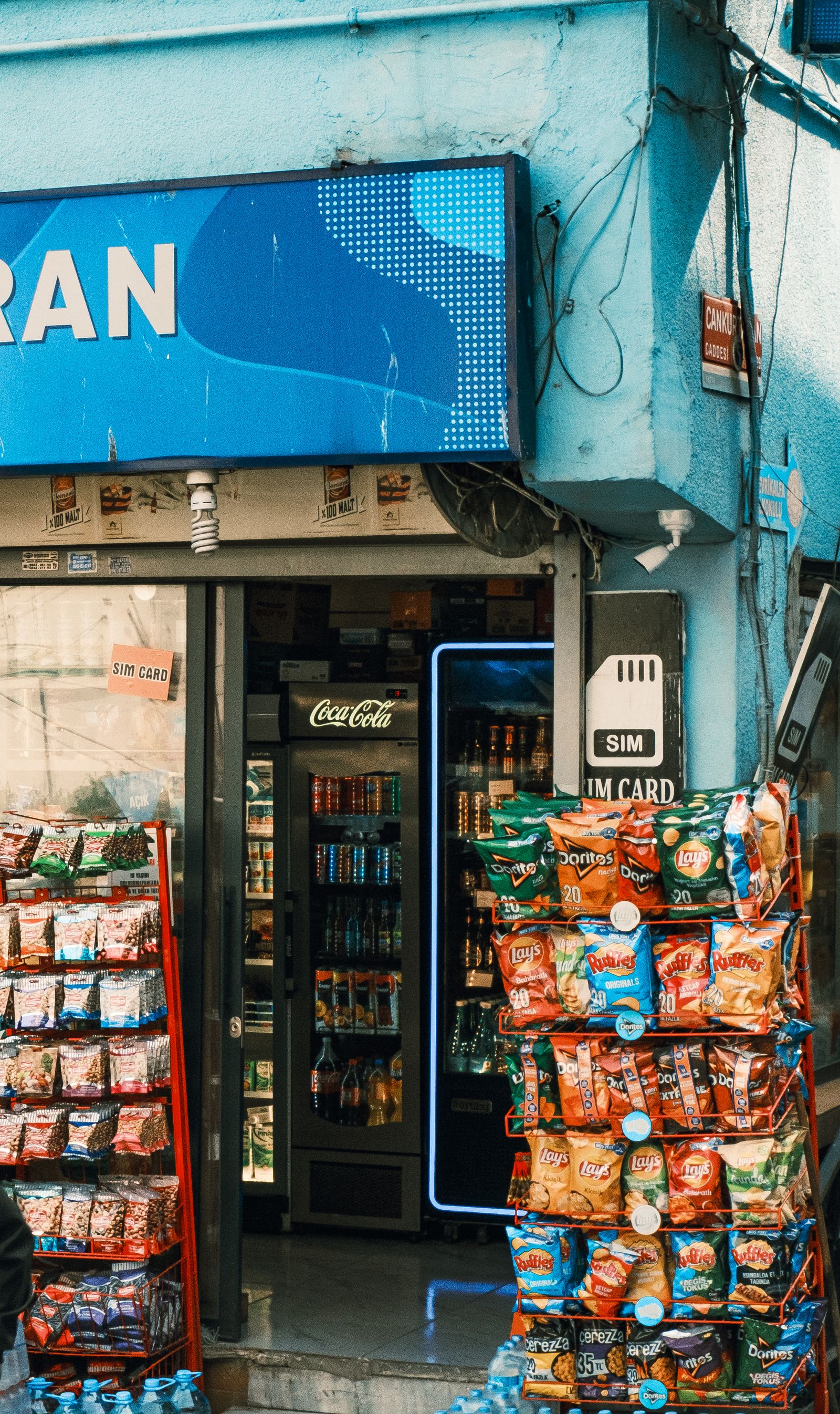
Late-night meal: prioritise simple heating and low mess
After a late flight or long sightseeing day, convenience-store food is valuable because it reduces decision fatigue. Choose one item you know how to heat, one side and water. Avoid buying six small products because you are tired and hungry. The late-night basket is where “cheap” shopping most easily becomes unnecessary spending.
For older travellers or sensitive stomachs
You do not need to choose the spiciest viral item to have an authentic experience. Look for plain rice, eggs, sandwiches, soups, yogurt, bananas or other familiar foods when you need a gentler meal. Korean packaging often uses strong visual cues, but spice level is not always obvious to non-Korean readers. Translation apps are useful for ingredient labels and heating instructions.
Allergies and dietary needs
Packaged food can actually be easier than restaurant food because it has a printed ingredient label, but the label may be in Korean and recipes can change. Use camera translation as a first screen, then avoid a product if a serious allergen remains unclear. For vegetarian or vegan travellers, do not assume a vegetable-looking product is free of fish sauce, meat stock or animal-derived seasoning.
Microwave etiquette
If a store provides a microwave, check whether the package is designed for heating and follow the printed instructions. Remove packaging components that clearly say not to heat. Do not heat sealed containers unless the package specifically instructs you to do so. Clean up spills and return the table or counter area as you found it.
Tourist favourite versus local everyday use
Visitors often seek banana milk, very spicy ramyeon, unusual desserts and collaboration snacks because these are visible in K-content. Everyday Korean convenience-store use is broader: coffee before work, lunch boxes, quick rice or noodle meals, snacks, drinks and emergency household items. A good article should show both layers rather than pretending the most photographed product is the most commonly useful.
The MikeyKorea convenience-store rule
Build one meal, add one discovery. If you leave with a coherent meal plus one interesting new product, the store has helped the trip. If you leave with ten unrelated viral items you do not really want, the marketing won.
Continue planning from here
Use the next step that matches the decision you are making now: first Korean meal guide, ordering food guide, payment guide. These links are selected to continue the same travel task rather than send you back to a generic category page.
Sources
- VISITKOREA — Popular Items in Korean Convenience Store
- VISITKOREA — Keeping Up with the Convenience Stores in Korea
- VISITKOREA — CU Ramyun Library
Last reviewed: 29 September 2026. Specific products and promotions rotate quickly, so this guide intentionally avoids a static “top 10” product ranking.
Use the guide, then test your own situation
Use convenience-store meals as a deliberate budget lever and see how small daily choices change the total trip cost.
Related Guides
Korean Food for First-Time Visitors: Tourist Favourites vs Everyday Korean Picks
Compare the Korean dishes global consumers choose most often with the foods that function as everyday Korean meals, then pick a first dish by spice, format and confidence.
How to Order Food in Korea Without Stress: Kiosks, Table Tablets & Real Restaurant Flow
A first-timer’s practical ordering workflow for Korea: how to recognise kiosks, table tablets and staff ordering; what happens at barbecue restaurants; how solo orders, shared dishes, refills, allergies and payment actually work.
Korean Dining Etiquette vs USA, UK & Japan: A Visitor’s Guide
Compare Korean restaurant habits with familiar US, UK and Japanese expectations, from banchan and call buttons to shared dishes, payment and tipping.