Korean Dining Etiquette vs USA, UK & Japan: A Visitor’s Guide
Compare Korean restaurant habits with familiar US, UK and Japanese expectations, from banchan and call buttons to shared dishes, payment and tipping.
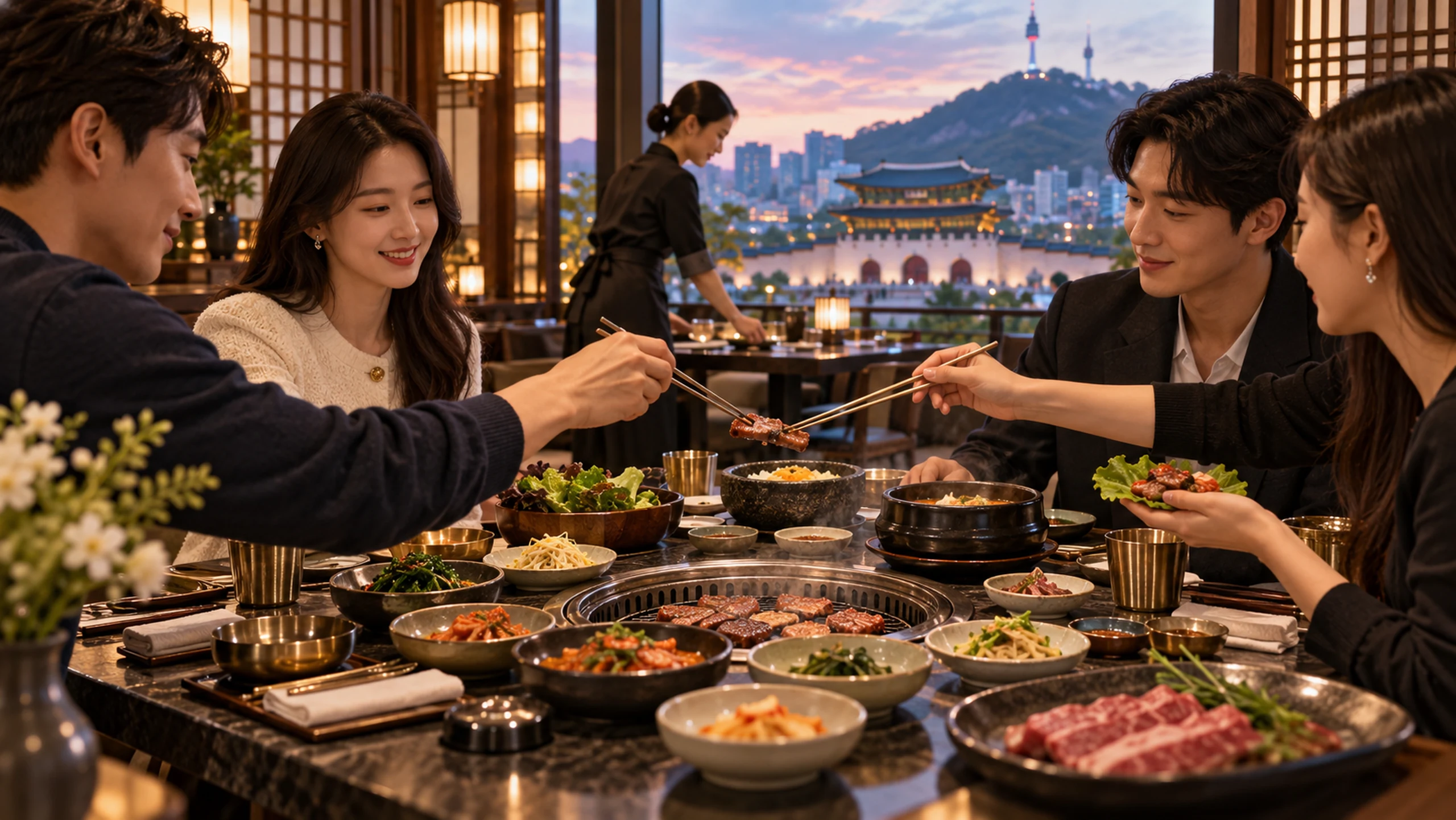
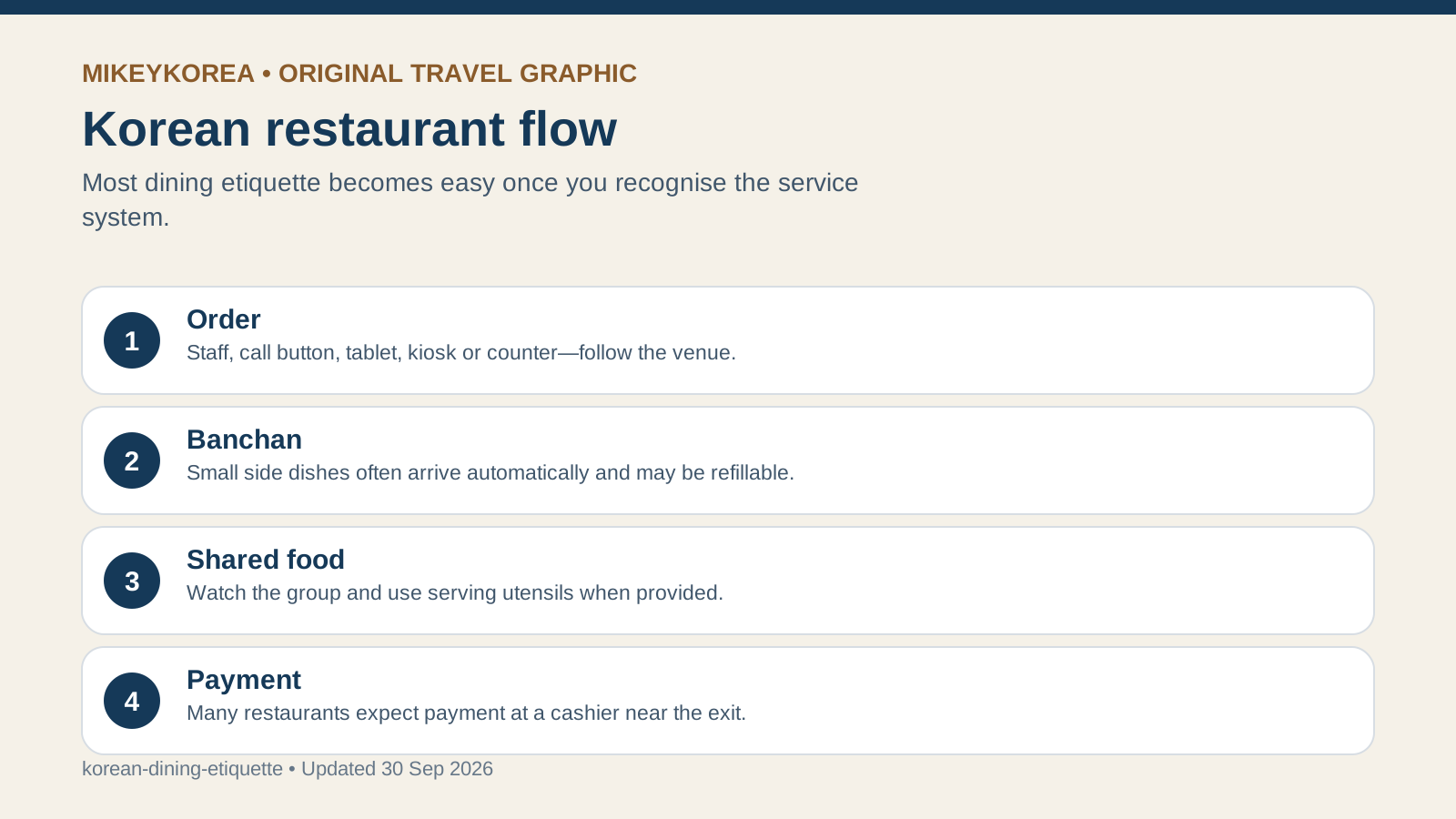
A Korean restaurant can feel confusing for the first ten minutes and completely logical by the end of the meal. The confusion usually comes from applying the wrong restaurant script: waiting for a server who expects you to press a call button, wondering whether free banchan are separately charged, lifting a rice bowl because that feels natural elsewhere, or looking for a tip line that is not part of the Korean transaction.
This guide compares the Korean dining flow with common US, British and Japanese expectations. The point is not to declare one system “more polite”. It is to help you recognise which part of the meal works differently.
Restaurant habits compared
| Moment | Korea | USA | Britain | Japan |
|---|---|---|---|---|
| Getting staff attention | Table call buttons are common; some venues use kiosks, tablets or self-service. | Servers often check in at the table; repeated eye contact or a verbal request is common. | Table service is common; the rhythm can be less frequent than in the US. | Call buttons, tablets and counter payment are also common in many chains; format varies widely. |
| Side dishes | Banchan often arrive automatically and extra portions are usually free at ordinary restaurants unless the venue says otherwise. | Side dishes are more often ordered as distinct paid items. | Side dishes are usually ordered and priced separately. | Small sides may accompany set meals, but the Korean banchan system is distinct. |
| Sharing | Shared soups, grilled meat and communal side dishes are common depending on the meal. | Individual plates are more dominant, though sharing is normal in many contexts. | Individual courses dominate most standard restaurant formats. | Shared dishes exist, but the meal structure and etiquette differ from Korean banchan/BBQ. |
| Payment | Many restaurants expect payment at a counter near the exit; table payment is also common in newer/premium venues. | Bill and card processing often happen at the table. | Table payment is common, increasingly with portable terminals. | Counter payment is familiar in many restaurants. |
| Tipping | No routine tip expected. | 15–20% commonly suggested for sit-down service. | 10–15% can be appreciated if no optional service charge is already added. | No routine tipping culture. |
1. Learn the Korean table before learning “rules”
A standard Korean meal often places rice and soup in front of each diner, with kimchi and other banchan around shared main dishes. VISITKOREA describes the table as something each diner assembles differently: you combine rice, soup and side dishes in the sequence you enjoy. That makes Korean dining less about a rigid course order and more about navigating a shared table.
If chopsticks are difficult, use the spoon. Official tourism guidance explicitly reassures visitors that the spoon can handle rice, soup, mixing and moving food.
2. The call button is not rude
Visitors from the US or UK sometimes sit waiting because calling a server directly feels demanding. In many Korean restaurants, the call button is the expected system. Press it once, then wait. Other restaurants may use a touchscreen at the table, a kiosk, QR ordering, or a clearly marked self-service station.
The polite action is therefore not “never summon staff”. It is using the service system the restaurant has designed.
3. Banchan changes the idea of a “side dish”
Korean banchan are usually part of the meal rather than a set of separately priced add-ons. The Korea Tourism Organization says requests for extra water or side dishes generally do not incur an extra charge, while also noting the increasing use of self-service stations. If you want more kimchi, look for a self-service bar or ask rather than assuming the bowl was a one-time portion.
4. Shared food: use common sense before ceremony
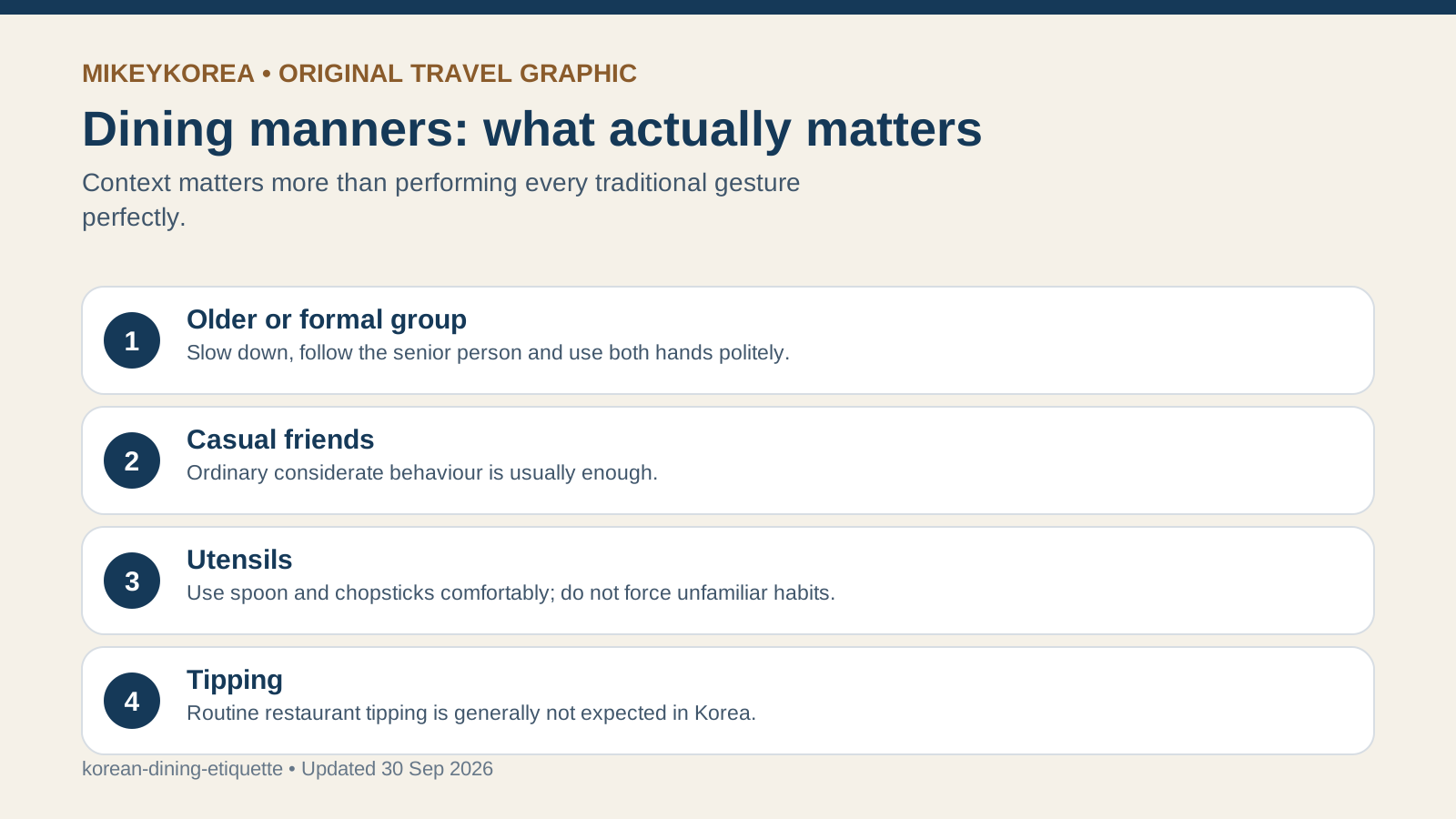
Many meals—barbecue, stews, shared pancakes—are built around communal food. The useful etiquette is practical: avoid digging through a shared plate for a preferred piece, keep personal utensils reasonably tidy, and use provided serving tools when there are any. In a formal meal with older Koreans, allowing the eldest person to begin first remains a recognised traditional courtesy. Among younger friends, the atmosphere can be far more relaxed.
5. Korean BBQ is a system, not just a dish
At tabletop barbecue, watch what the venue does. Some staff cook the meat; some expect diners to do it. Lettuce, sauces, garlic and banchan are there to build wraps, but there is no requirement to reproduce a perfect “Korean bite”. If staff take over the grill, let them—many restaurants control heat and cooking sequence deliberately.
6. Drinking etiquette: know the formal version, then read the group
Traditional guidance emphasises pouring and receiving drinks with two hands around older or senior people, allowing the senior person to begin, and turning slightly aside when drinking in a formal hierarchy. You do not need to force these gestures at every casual beer with people your age. They are most useful when the social setting itself feels formal.
7. Payment and tipping: the last cultural switch
If no bill arrives at your table, look near the exit for a cashier. Korea does not generally expect a restaurant tip, so you can finish the meal without doing the American mental arithmetic. If a high-end venue includes a service charge, treat it as a disclosed fee, not evidence of a universal tipping custom.
Your first Korean meal: a low-stress sequence
- Sit where staff direct you.
- Check whether ordering is via staff, button, tablet or kiosk.
- Use the spoon as freely as you need.
- Treat banchan as part of the meal; look for self-service before calling for refills.
- Follow the group around shared dishes rather than trying to memorise every traditional rule.
- When finished, look for the counter if payment does not come to the table.
- Pay the stated amount; no routine tip is required.
Continue planning from here
Use the next step that matches the decision you are making now: Korean food guide, ordering guide, tipping guide. These links are selected to continue the same travel task rather than send you back to a generic category page.
Sources
- VISITKOREA — About Korean Food
- Visit Seoul — Etiquette
- Visit The USA — tipping guidance
- VisitBritain — tipping guidance
- JNTO — visitor FAQ
Checked: 27 September 2026. Restaurant systems vary by venue.
Use the guide, then test your own situation
Etiquette solves the social side of dining; the tools hub handles the practical choices around budget, transport, connectivity and shopping.
Related Guides
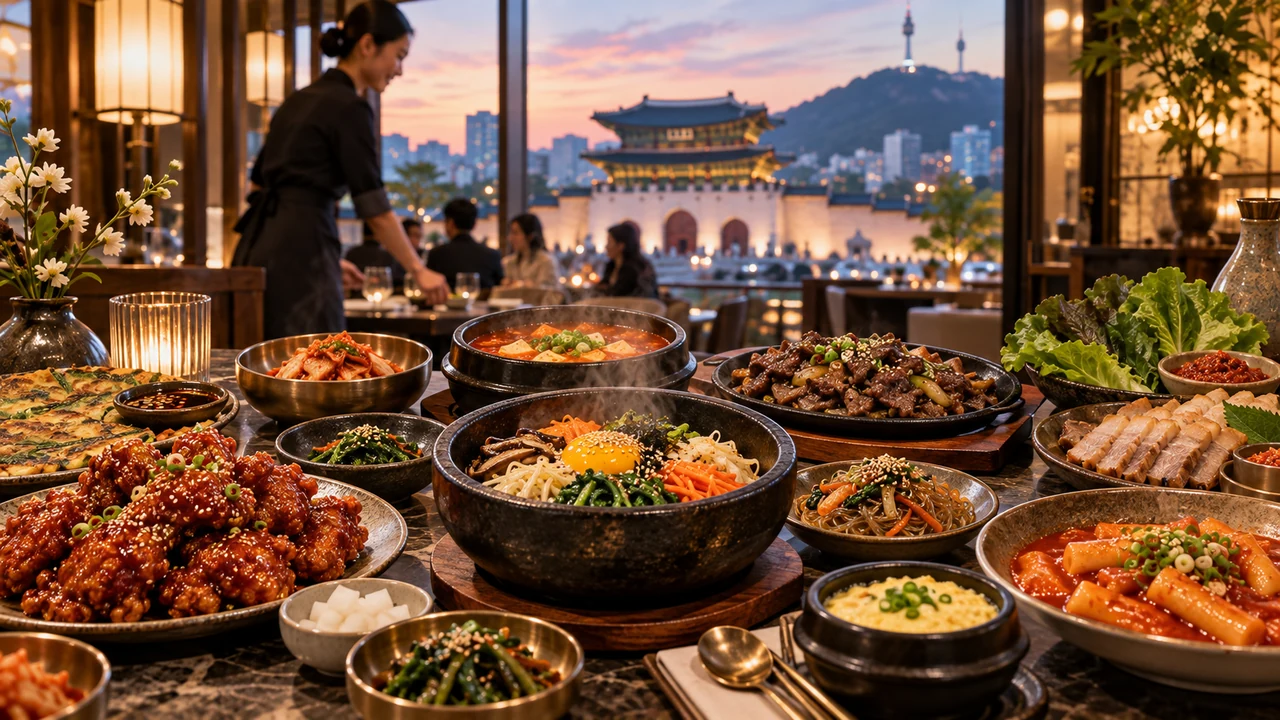
Korean Food for First-Time Visitors: Tourist Favourites vs Everyday Korean Picks
Compare the Korean dishes global consumers choose most often with the foods that function as everyday Korean meals, then pick a first dish by spice, format and confidence.
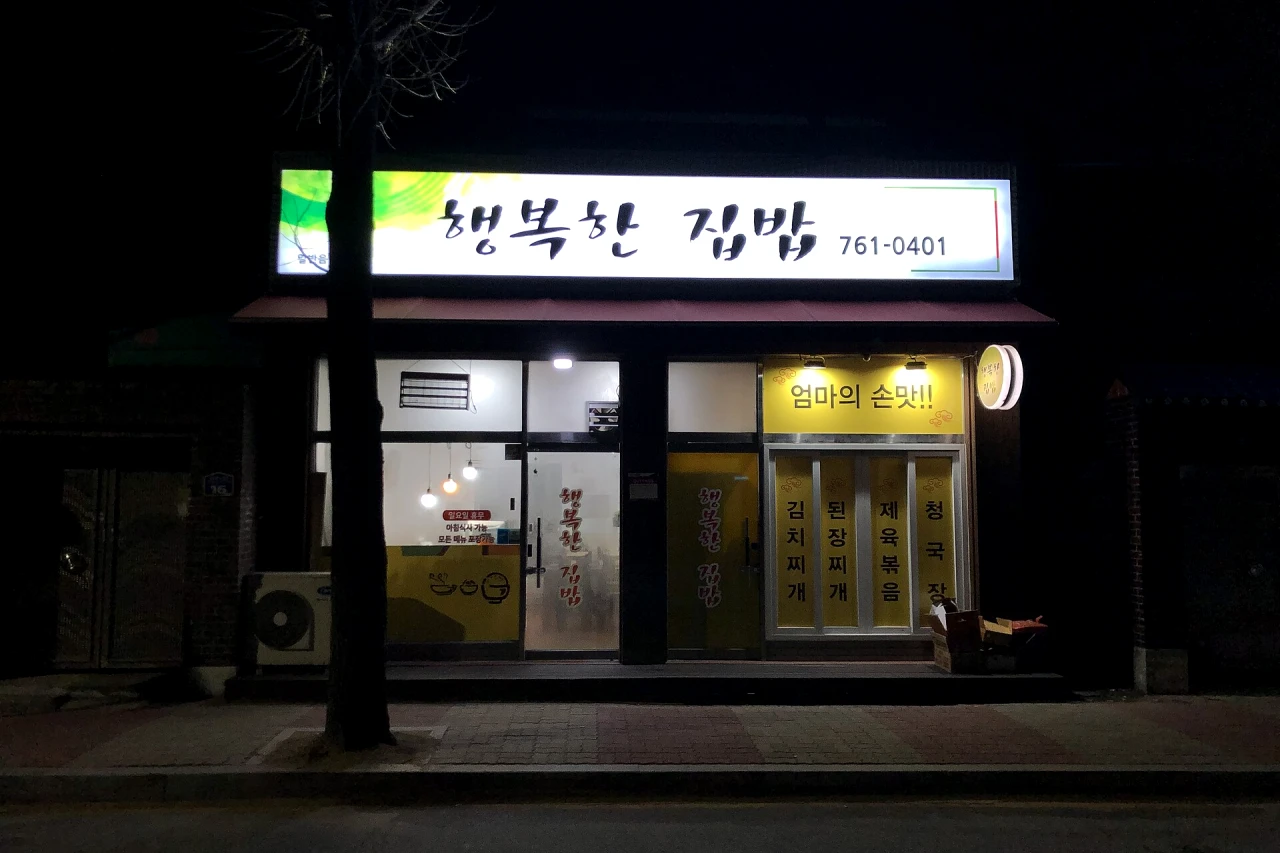
How to Order Food in Korea Without Stress: Kiosks, Table Tablets & Real Restaurant Flow
A first-timer’s practical ordering workflow for Korea: how to recognise kiosks, table tablets and staff ordering; what happens at barbecue restaurants; how solo orders, shared dishes, refills, allergies and payment actually work.
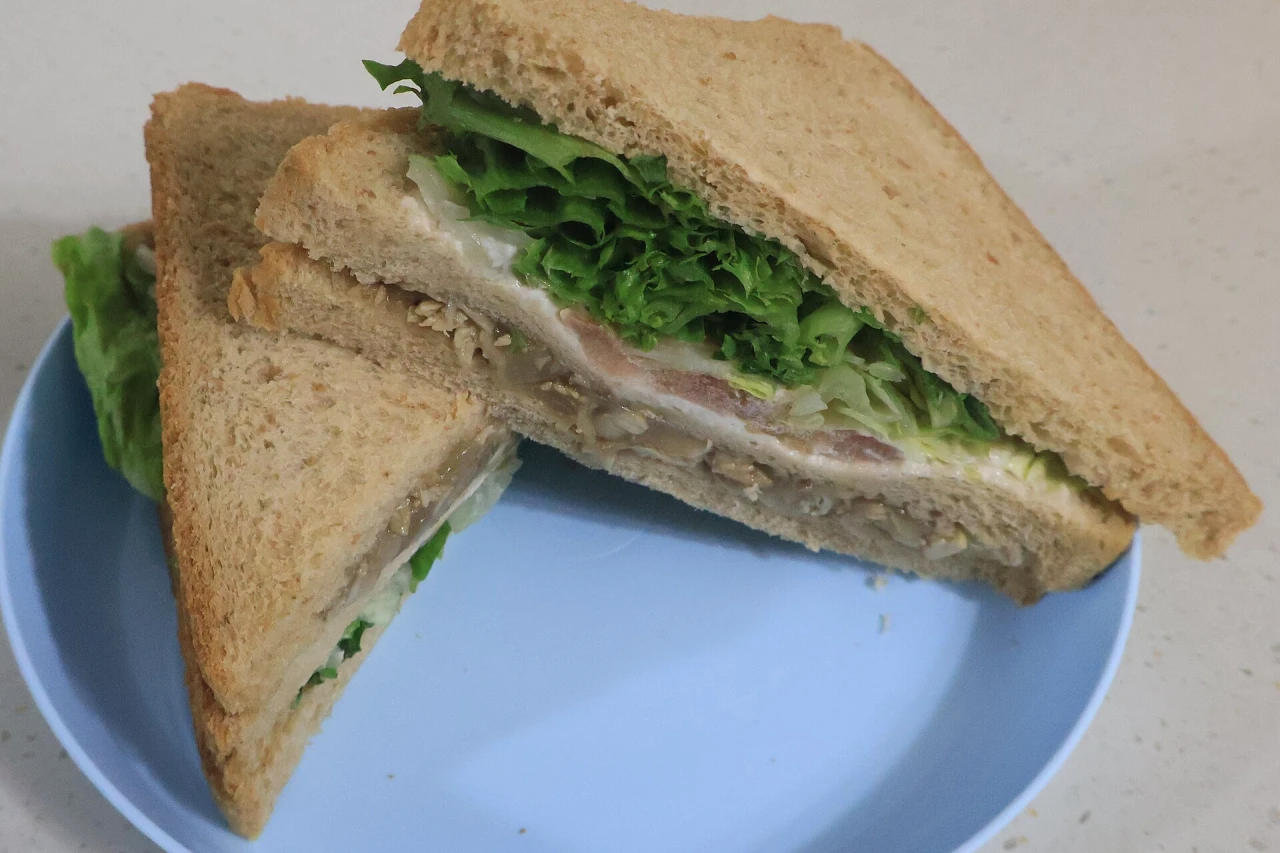
Korean Convenience Store Food: Build a Better Meal, Not Just a Snack Haul
Use CU, GS25, 7-Eleven and other Korean convenience stores intelligently: build breakfast, lunch, late-night and low-effort meals, understand microwave/ramyeon stations, compare tourist hits with everyday choices and avoid random overspending.