Best Time to Visit Korea: Weather, Crowds, Budget & Comfort
There is no single best month for Korea. Compare seasons by walking comfort, heat and cold tolerance, rain, flowers, foliage, crowd pressure, value and the kind of trip you want.
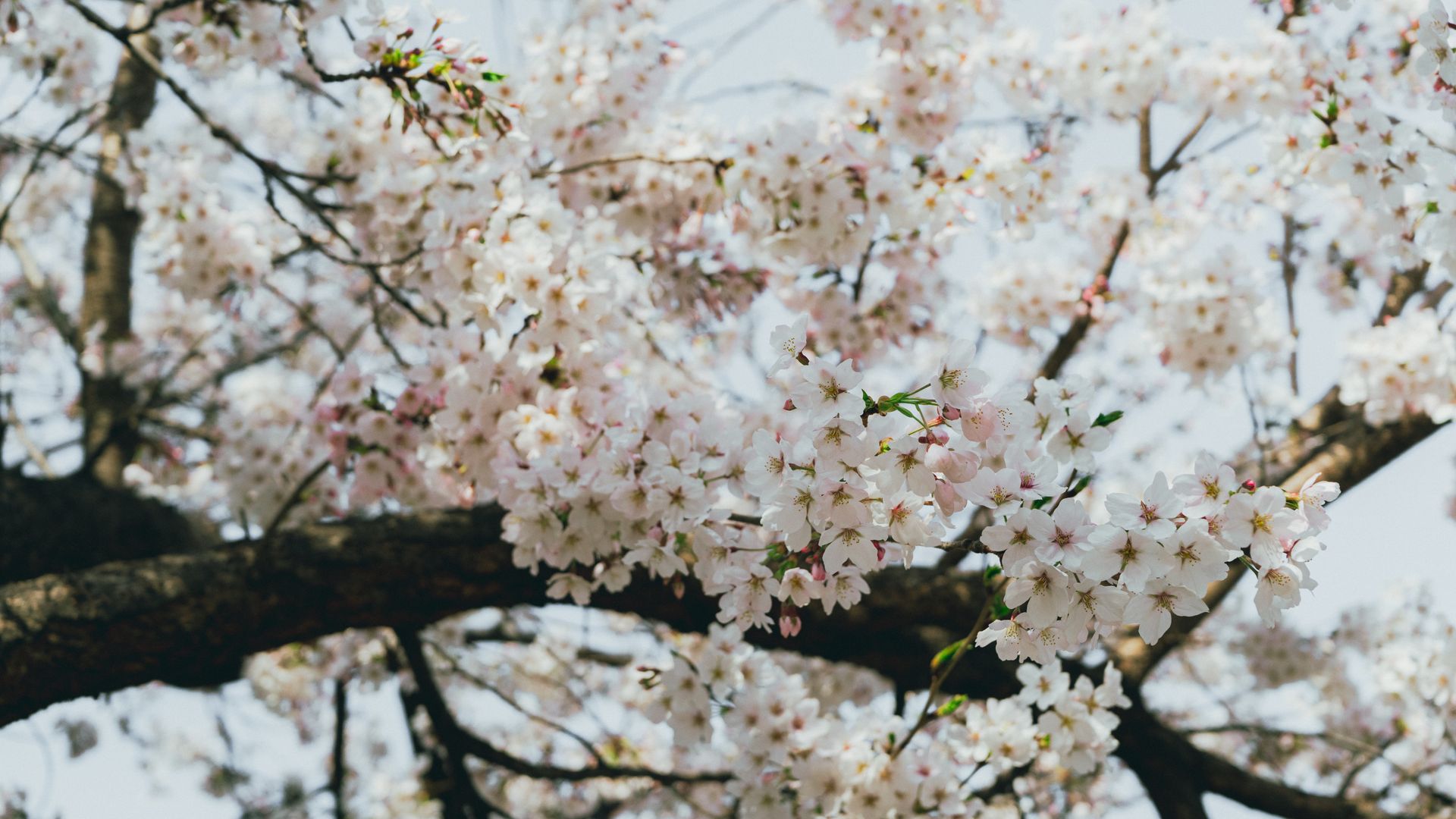
Choose the month by what you dislike and what you want to experience
There is no universal best month. Heat tolerance, rain sensitivity, walking comfort, flowers, foliage, crowd pressure and budget matter more than a one-line seasonal ranking.
The best time to visit Korea is not one month. It depends on what you are trying to avoid and what you are trying to gain. A traveller who dislikes heat may love April and October. Someone who wants lower accommodation pressure may accept colder or wetter weather. A photographer chasing autumn foliage has a different answer from a family planning long outdoor days. And a visitor in their 60s or 70s may care more about walking comfort and daylight than a 25-year-old who plans to spend evenings indoors.
MikeyKorea uses Korea Meteorological Administration 1991–2020 climate normals as the baseline, then separates climate from annual events. Climate normals describe the long-term pattern; they do not predict the weather on your specific travel dates.
Choose by what you are sensitive to
| Priority | Months to examine first | Main trade-off |
|---|---|---|
| Comfortable walking | April–May, October | Popular periods can be busier and pricier. |
| Avoid summer heat/humidity | March–May, October–November | Early spring and late autumn can be cool at night. |
| Spring atmosphere / blossoms | Late March–April depending region/year | Exact bloom timing changes annually. |
| Autumn foliage | October–early November depending region/year | Popular mountain and heritage areas can be crowded. |
| Winter / snow atmosphere | December–February | Cold, dry air and shorter comfortable outdoor periods. |
| Lower crowd pressure | Shoulder periods outside major holidays/events | Weather may be less postcard-perfect. |
| Beach / peak summer energy | July–August | Heat, humidity and heavy-rain episodes. |
For older or heat-sensitive travellers
Age itself does not determine the right season, but heat tolerance, joint comfort and the amount of walking often matter more as a trip becomes physically demanding. Seoul sightseeing can involve many kilometres on foot, large subway stations and palace grounds with limited shade. If heat or humidity reduces your enjoyment, April, May and October deserve strong consideration. If cold affects mobility, deep winter may be a poor bargain even when hotel pricing is attractive.
Month-by-month: what changes in the feel of the trip?
January–February
Cold and generally dry. Good for winter atmosphere, indoor culture, shopping and visitors who prefer crisp weather. Less suitable for long palace walks if you dislike cold. Ski trips and winter festivals require separate regional planning.
March
A transition month. Weather can change quickly. It can offer lower crowd pressure than peak blossom season, but travellers should not expect spring warmth every day.
April
One of the strongest general sightseeing months: milder temperatures, long walking days and spring scenery. Blossom timing varies each year and by region, so book for the trip you want even if peak bloom shifts.
May
Comfortable for many travellers and excellent for long urban days. It is warmer than April but typically avoids the height of summer humidity.
June
Warmer and more humid, with the seasonal transition toward the wetter part of summer. Good for travellers who tolerate warmth and want long daylight.
July–August
Hot, humid and the period in which heavy-rain episodes can disrupt outdoor plans. These months can still be enjoyable if the trip is built around evening activity, indoor attractions, shopping, cafés and flexible weather days.
September
Still warm, especially early in the month. KMA's 1991–2020 normal average temperature for Seoul in September is about 21.6°C. It can be a useful compromise for travellers who want warmth without peak summer conditions.
October
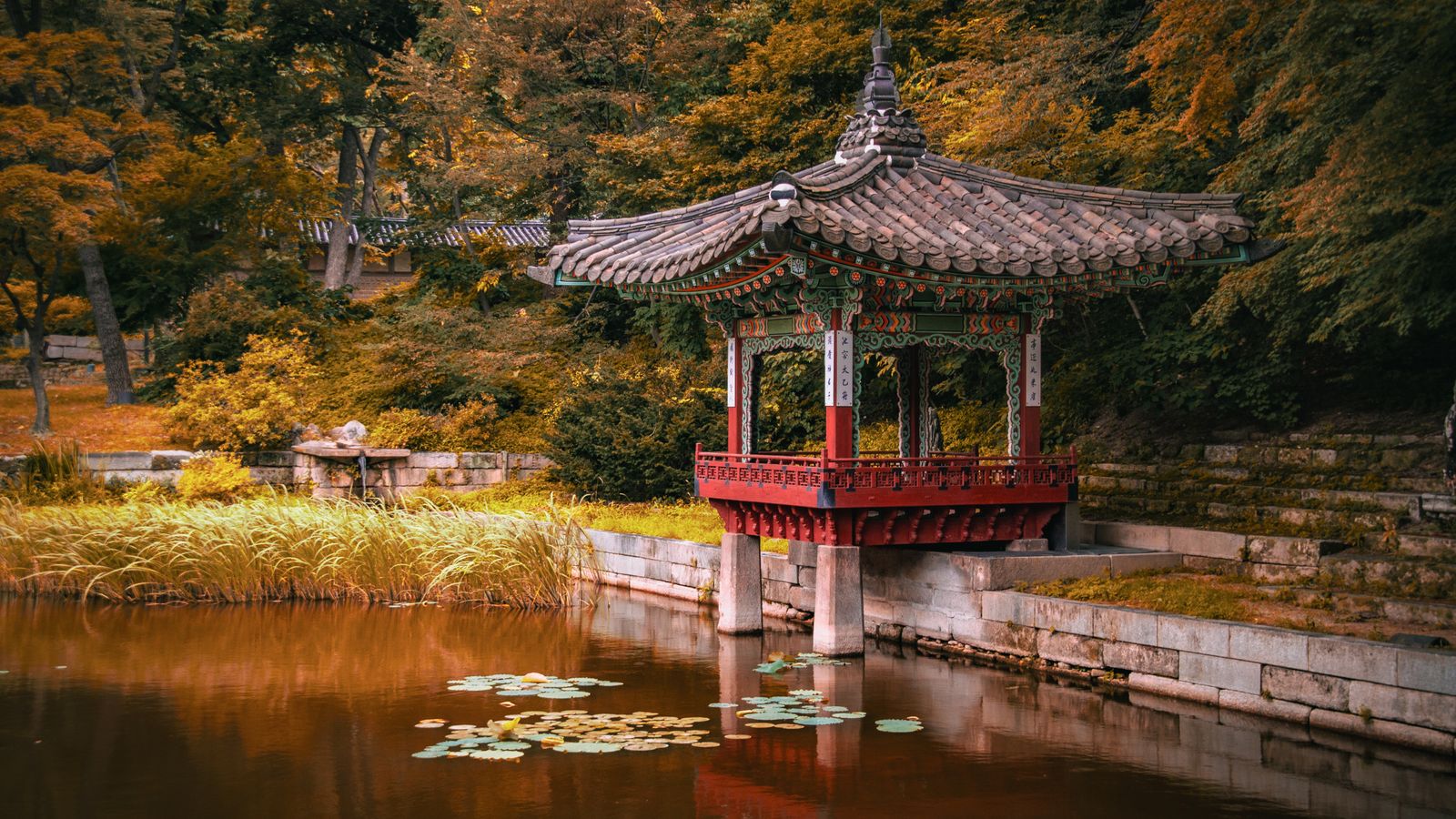
One of the strongest all-round sightseeing months, particularly for walking. Autumn foliage becomes part of the attraction, but exact colour timing varies by region, elevation and year.
November
Cooler, drier and quieter after peak foliage. Often good for visitors who enjoy crisp weather and do not need gardens to be at their most colourful.
December
Cold, festive and increasingly winter-like. Better for shopping, lights and indoor culture than for visitors who want long relaxed outdoor days.
Seoul, Busan and Jeju do not feel identical
Korea's climate varies by region. Seoul has colder winters and hot summers. Busan is moderated by the sea and often feels milder in winter. Jeju is further south and has its own wind and rainfall pattern. If your trip spends little time in Seoul, do not use a Seoul-only climate chart to make the entire decision.
Budget and crowd value: use it as a secondary filter
Hotel prices are dynamic and event-driven, so MikeyKorea does not publish a universal "cheapest month" without live accommodation data. Instead, use weather to identify three or four acceptable months, then compare live hotel prices for your exact dates. A slightly cooler or wetter week can be much better value than a famous peak-season weekend.
How to choose your month
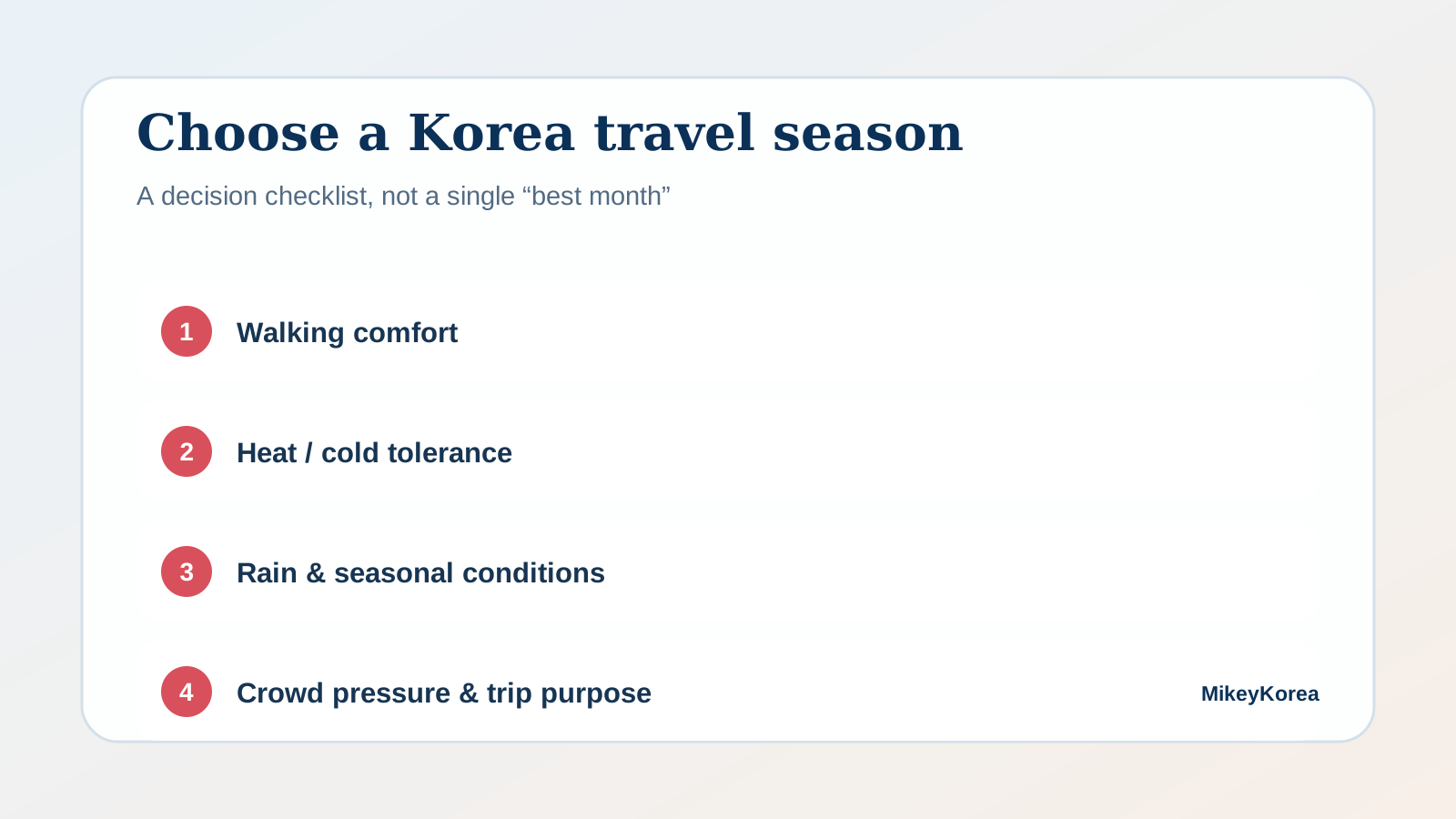
- Set your comfortable temperature range.
- Decide how strongly you dislike rain, heat and cold.
- Add one seasonal priority: flowers, foliage, snow, beaches or festivals.
- Only then compare price and crowd pressure.
- Recheck the actual year's blossom, foliage and event dates before booking non-refundable arrangements.
Use the Best Month for Korea Score to rank all 12 months using your own preferences.
Trip style changes the "best month"
| Trip style | What to optimise | Useful seasonal bias |
|---|---|---|
| First-time Seoul sightseeing | Walking comfort and long outdoor days | April–May and October deserve first consideration. |
| K-beauty / shopping heavy | Less weather sensitivity | Winter and wetter summer periods can still work well because much of the day is indoors. |
| Luxury hotel break | Property value and indoor amenities | Compare shoulder/winter rates instead of paying peak-season prices solely for mild weather. |
| Photography | Seasonal light, blossoms, foliage, snow | Choose the visual objective, then accept the crowd/weather trade-off. |
| Older / mobility-sensitive | Temperature, rain, daylight and surface conditions | Avoid the season that makes walking difficult for you personally. |
| Family school-holiday trip | Fixed dates and indoor backup options | Build around the unavoidable period instead of chasing an impossible "ideal" month. |
Holiday timing can matter more than the month name
Korea's major public holidays can affect domestic travel demand, transport reservations, opening patterns and hotel prices. A quiet-looking month can contain a very busy holiday week. Lunar New Year and Chuseok move each year, so they must be checked against the actual calendar. The same principle applies to large concerts, festivals, conventions and school-holiday periods.
Value strategy: compare exact dates after choosing acceptable weather
Do not search for "the cheapest month in Korea" and stop there. Hotel pricing is local and event-sensitive. A better method is: choose three months whose climate you can tolerate, then compare the same hotel category and neighbourhood for your real dates. You may discover that a less famous week in May or November offers much better value than a peak blossom or foliage weekend.
Luxury strategy: pay for the experience, not just the season
A luxury trip can work beautifully outside the headline seasons because hotel spas, fine dining, shopping, galleries and private transport reduce weather exposure. If you are paying for a premium property, compare the room, view, lounge, spa and location advantage against the seasonal premium. October weather is lovely, but paying a much higher rate for a hotel you barely use may not be the best luxury decision.
Sources and method
- Korea Meteorological Administration — 1991–2020 climate normals
- KMA — Regional climate characteristics
The month recommendations are MikeyKorea editorial synthesis built on official climate normals. They are not weather forecasts and do not guarantee blossoms, foliage, snow or event dates.
Continue planning from here
Use the next step that matches the decision you are making now: Best Month for Korea tool, first-trip planning guide, Seoul neighbourhood guide. These links are selected to continue the same travel task rather than send you back to a generic category page.
Use the guide, then test your own situation
Rank all 12 months using your own comfort and season priorities, then see how the timing changes the trip budget.
Related Guides
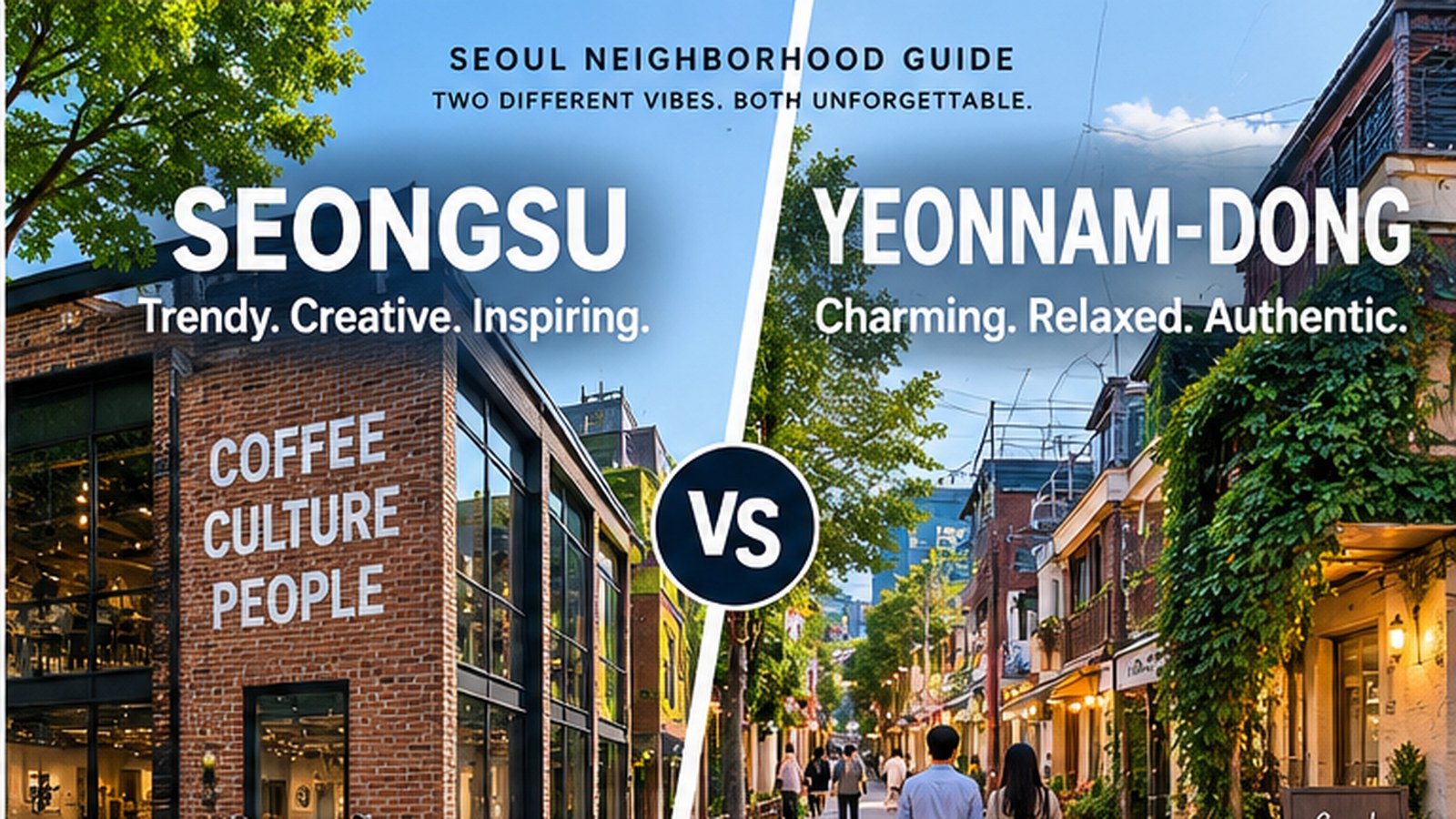
Seongsu or Yeonnam-dong? Choose Your First Seoul Afternoon by Energy Level
Both are excellent café-and-neighbourhood districts, but they solve different first-afternoon needs: Seongsu for trend discovery and pop-ups; Yeonnam for a softer park-and-alley stroll near Hongdae.
First Trip to Korea: A Decision-First Planning Guide
Plan a first Korea trip around the decisions that actually change the experience: entry paperwork, where to stay, airport transfer, transport, connectivity, payment backup and the first 48 hours.
Where to Stay in Seoul by Age, Mobility & Travel Style
Choose a Seoul neighbourhood by the way you actually travel: age as a proxy for pace, walking tolerance, nightlife, shopping, family needs, airport access and the trips you will repeat.