Seoul Shopping Districts Compared: What to Buy, Who It Suits & How Long to Spend
Choose Seoul shopping areas by what you want to buy, budget, age and pace, local-versus-tourist atmosphere, weather tolerance and available time—not by a generic top-10 list.
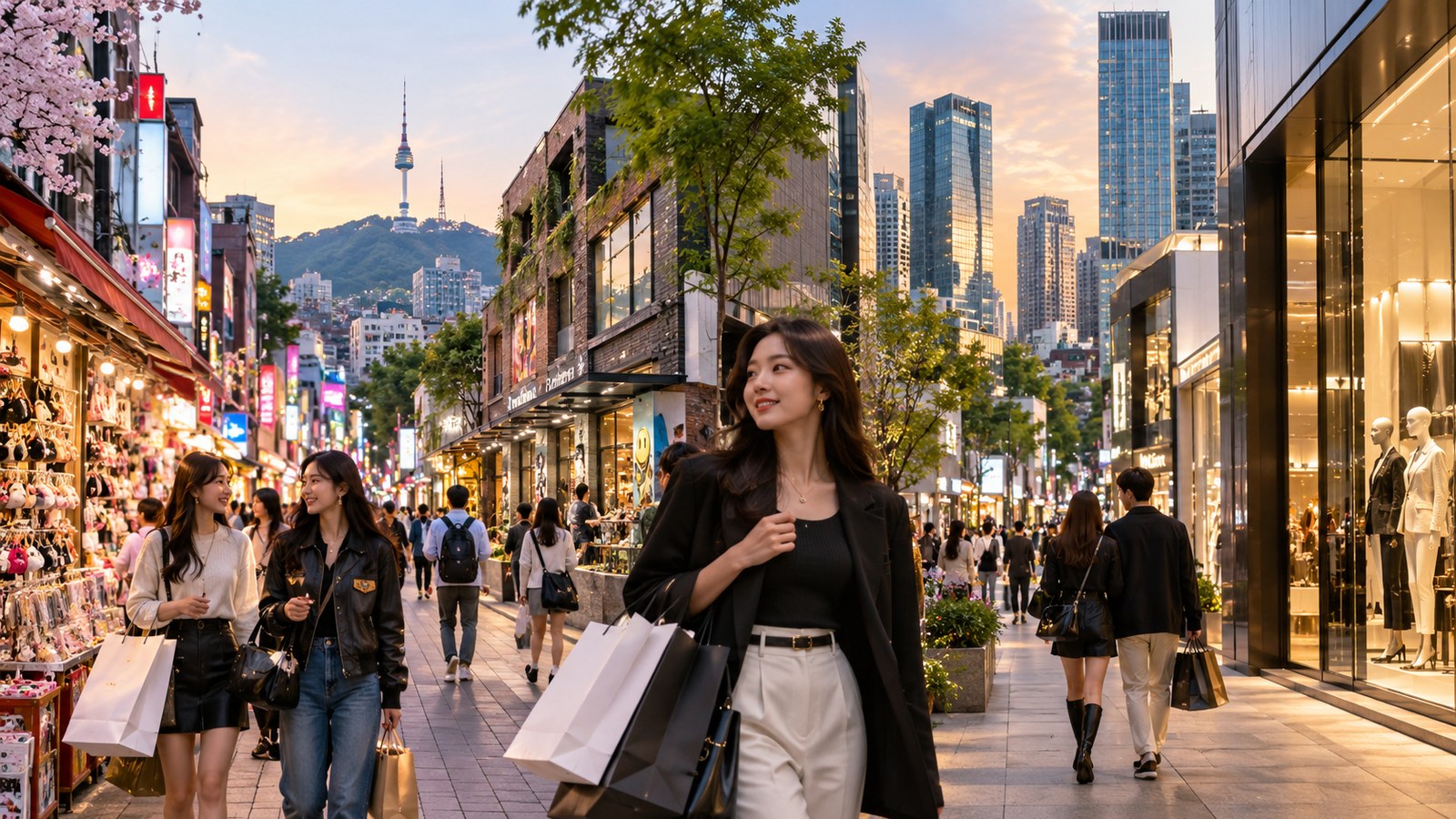
Choose the district by what you want to buy—not by a generic top-10 list
Myeong-dong is the visitor-efficiency choice, Seongsu is the trend-discovery choice, Hongdae mixes shopping with evening energy, while Gangnam/COEX/Cheongdam are stronger for premium shopping.
Seoul does not have one “best shopping district.” It has several shopping ecosystems that solve different problems. Myeong-dong is built for visitor convenience and concentrated beauty shopping. Seongsu is strongest when you want pop-ups, new brands and contemporary Seoul culture. Hongdae combines youth fashion with cafés, music and late evenings. Gangnam, COEX and Cheongdam make more sense for premium malls, luxury brands or a polished indoor shopping day. Dongdaemun is still distinctive for fashion, materials and night-time energy. Namdaemun remains useful when value, practical goods and market browsing matter more than trendiness.
The scale of visitor shopping is large enough that this choice matters. Seoul reported 8.23 million international arrivals in the first half of 2026 and KRW 5.6172 trillion in international visitor card spending. Shopping represented 46.4% of that spending, and spending at large shopping malls rose 73.2% year over year. The same Seoul data also shows international spending spreading beyond the traditional Myeong-dong and Gangnam centres into Hongdae and Seongsu. That is why MikeyKorea treats the districts as different tools rather than interchangeable attractions.
Choose by what you actually want to buy
| Your priority | Start with | Why |
|---|---|---|
| K-beauty with maximum visitor convenience | Myeong-dong | Dense cosmetics stores, department stores, duty-free shopping, multilingual visitor services and easy tax-refund workflows. |
| New Korean brands, pop-ups and trend discovery | Seongsu | Flagship stores, temporary pop-ups, cafés, fashion and beauty concepts are concentrated within a walkable lifestyle district. |
| Youth fashion + nightlife + casual shopping | Hongdae | Shopping can be combined with music, cafés, restaurants and late-evening activity. |
| Luxury / premium mall experience | Cheongdam, Apgujeong, COEX/Gangnam | Luxury streets, major malls, department stores and premium services are concentrated south of the river. |
| Fashion materials, accessories, late shopping | Dongdaemun | Large fashion complexes, fabric and accessory markets plus the DDP night-time district create a very different shopping day. |
| Value, souvenirs, kitchenware, traditional market browsing | Namdaemun | A broad traditional market where price comparison and practical goods matter more than curated branding. |
| Weather-proof premium browsing + curated Korean brands | Yeouido / The Hyundai Seoul | A large indoor complex works well on very hot, cold or rainy days and is easy to combine with Yeouido. |
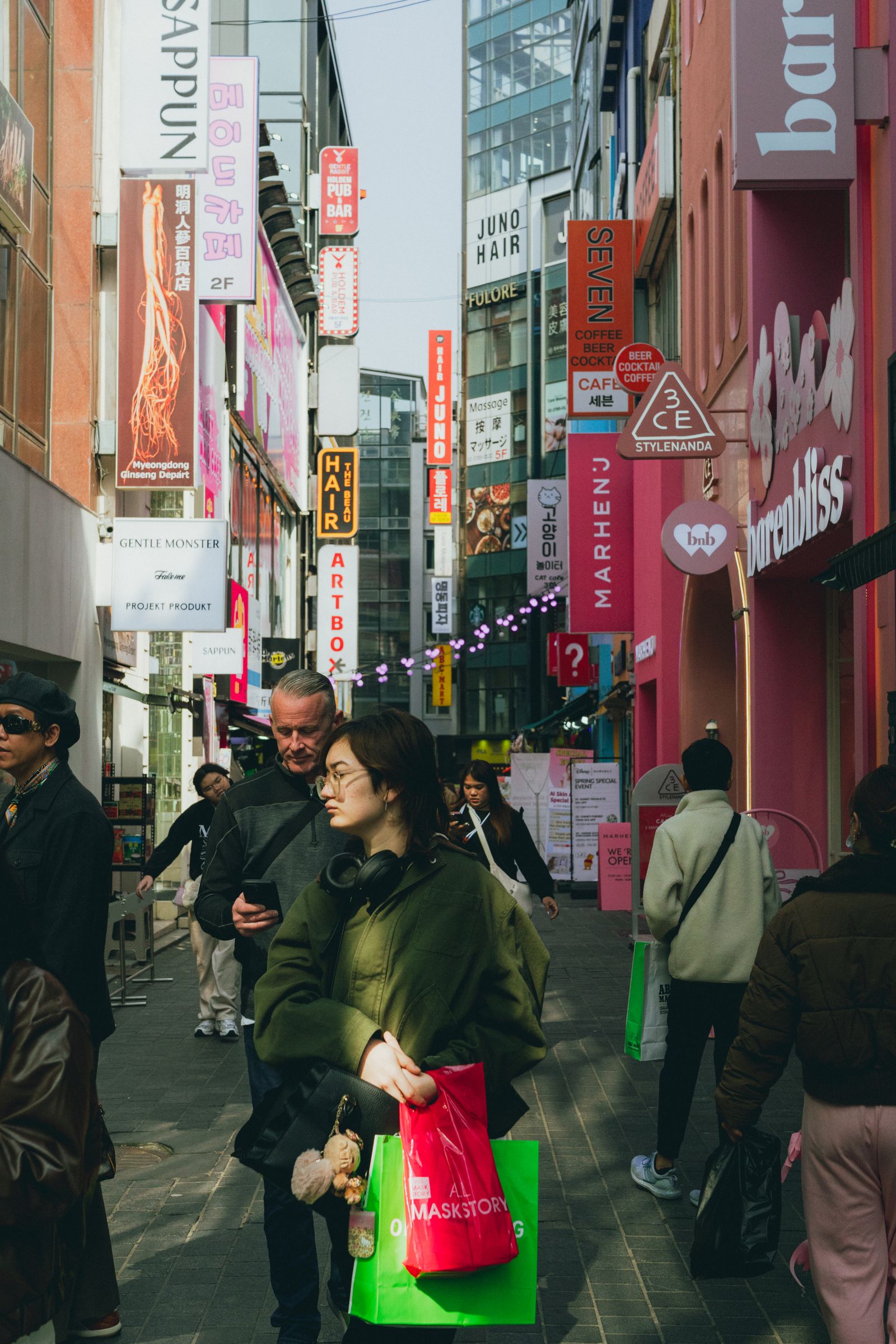
Myeong-dong: most efficient for a first-time shopping day
Official 2026 Seoul visitor analysis found Myeong-dong had the highest foreign-tourist foot traffic among the 16 destinations studied. That is not the same as saying every visitor should shop there. It means the district has a mature visitor ecosystem: cosmetics, fashion, department stores, currency exchange, tax-refund support, tourist information and easy access to central Seoul.
Use Myeong-dong when: you have only two or three hours, want K-beauty without researching individual neighbourhood stores, need multiple brands in one area, or want to combine Lotte/Shinsegae department stores with street shopping. Skip or shorten it when: you dislike tourist density, want experimental local brands, or already plan a major Olive Young stop elsewhere.
Seongsu: strongest for trend discovery, weakest for “quick shopping”
Seoul now presents Seongsu as one of the city's signature Gen Z destinations, known for pop-ups, flagship stores, cafés and art spaces. This is a place to browse rather than execute a strict list. The value is discovering what is new, seeing how Korean brands present themselves and combining retail with cafés and Seoul Forest.
Use Seongsu when: you follow K-fashion/K-beauty trends, enjoy design and pop-ups, or want a district that feels more like contemporary Seoul lifestyle than a visitor shopping zone. Do not choose it simply because social media says it is “must visit.” Pop-ups change quickly, queues can consume time, and the best stores may be spread across several streets.
Hongdae: shopping works best as part of the evening
Hongdae is less about one dominant store and more about a mixed urban experience. Youth fashion, accessories, beauty, character goods, music and dining fit together naturally. Seoul's 2026 visitor-spending reports specifically identify Hongdae as one of the areas receiving a larger share of international visitor spending.
For travellers in their 20s–40s—or anyone who enjoys busy streets and late evenings—Hongdae can be more efficient than a dedicated daytime shopping trip because the shopping sits inside the nightlife plan. Older travellers who dislike crowds can still enjoy it, but early afternoon is usually a gentler experience than Friday or Saturday evening.
Gangnam, COEX and Cheongdam: premium shopping is three different experiences
Do not treat “Gangnam shopping” as one place. COEX is an indoor mall-and-entertainment day. Cheongdam/Apgujeong is better for luxury and designer flagships. Gangnam Station is dense, commercial and convenient rather than luxurious. If you are staying south of the river, these areas can be efficient; if your hotel and sightseeing are around the palaces, spending half a day commuting to COEX just because it is famous may not be.
Dongdaemun: shop for fashion systems, not just souvenirs
Dongdaemun Shopping Complex remains important for fabric, clothing materials, accessories and fashion-related goods. The DDP area adds design, events and night-time activity. Seoul has also been investing in DDP as a night-economy anchor that connects light events, dining and shopping across the wider Dongdaemun district.
For a normal first-time visitor who simply wants a few Korean fashion pieces, Hongdae or Seongsu may be easier. For someone interested in textiles, accessories, fashion production, wholesale-style browsing or night shopping, Dongdaemun has a reason to exist that the other districts do not.
Namdaemun: value and practical shopping
VISITKOREA describes Namdaemun as Korea's largest traditional market, selling clothing, kitchenware, toys, accessories, food, flowers and imported goods. This is where bargaining instincts, price comparison and curiosity are more useful than a brand list. It is also geographically easy to combine with Myeong-dong, so the two can form one efficient central shopping day.
MikeyKorea decision matrix
The table below is an editorial fit matrix, not a statistical ranking. “High” means the district strongly fits that shopping style based on its current retail mix and visitor use; it does not mean one district is objectively better.
| District | Visitor ease | Trend discovery | Luxury | Value | Night use | Best pace |
|---|---|---|---|---|---|---|
| Myeong-dong | High | Medium | High nearby | Medium | Medium | 2–4 hours |
| Seongsu | Medium | Very high | Medium | Medium | Medium | Half day |
| Hongdae | High | High | Low | Medium–high | Very high | Afternoon + evening |
| COEX / Cheongdam | High | Medium | Very high | Low–medium | Medium | Half day |
| Dongdaemun | Medium | High for fashion | Low–medium | High for specific categories | High | 3–5 hours |
| Namdaemun | Medium | Low | Low | Very high | Low | 2–3 hours |
Three efficient shopping-day designs
2 hours: “I only need K-beauty and gifts”
Stay in Myeong-dong. Choose one large beauty store, one department-store/duty-free stop if needed, then use the remaining time for gifts and tax-refund processing. Do not spend the first hour visiting five branches of the same chain.
Half day: “I want contemporary Seoul”
Go to Seongsu. Pick two or three anchor stores or pop-ups before arrival, leave time for unplanned discoveries, and end around Seoul Forest or a café. This works best when browsing itself is part of the experience.
Full day: “I want contrast”
Pair districts that are geographically or conceptually complementary rather than trying to visit four shopping areas. Myeong-dong + Namdaemun is efficient and central. Seongsu + Gangnam/COEX works for contemporary retail and premium indoor shopping. Hongdae + Mangwon works for youth culture and a neighbourhood market.
Method and sources
MikeyKorea uses official Seoul visitor-spending and destination data for the measurable context, then applies an editorial fit framework to help a traveller choose. We do not invent tourist-share percentages for districts where comparable data is unavailable.
- Seoul — H1 2026 international visitor spending
- Seoul — 2026 foreign-visitor destination analysis
- VISITKOREA — Shopping Like a Local in Seoul
- VISITKOREA — Dongdaemun Shopping Complex
Last verified: 29 September 2026. Pop-ups and individual store line-ups change much faster than district character.
Continue planning from here
Use the next step that matches the decision you are making now: department-store comparison, K-beauty shopping guide, Myeongdong shopping guide. These links are selected to continue the same travel task rather than send you back to a generic category page.
Use the guide, then test your own situation
Weight shopping as a priority when choosing your Seoul base, then check refund eligibility and the spending impact before you buy.
Related Guides
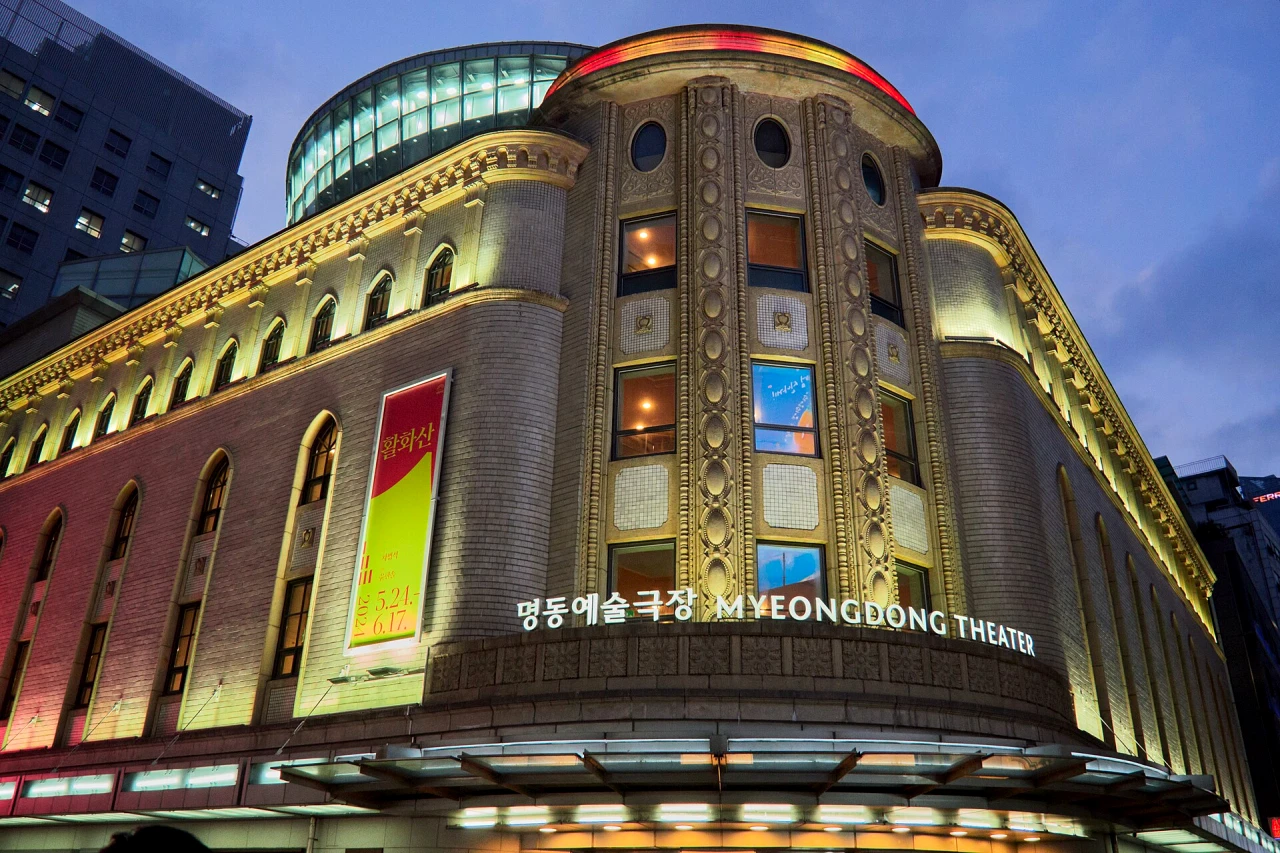
Myeongdong Shopping Guide: 2 Hours, Half a Day or a Full Day
Use Myeongdong efficiently instead of wandering every shop: choose a two-hour K-beauty route, a half-day shopping plan, a full-day Myeongdong + Namdaemun route, or a lower-walking / rainy-day version.
Korea Tax Refund Guide: Immediate vs Airport Refund by Purchase Type
Choose the right Korea tax-refund path by receipt value, store participation, total trip spending, whether the goods are unused, and whether you want an immediate, downtown or airport refund.
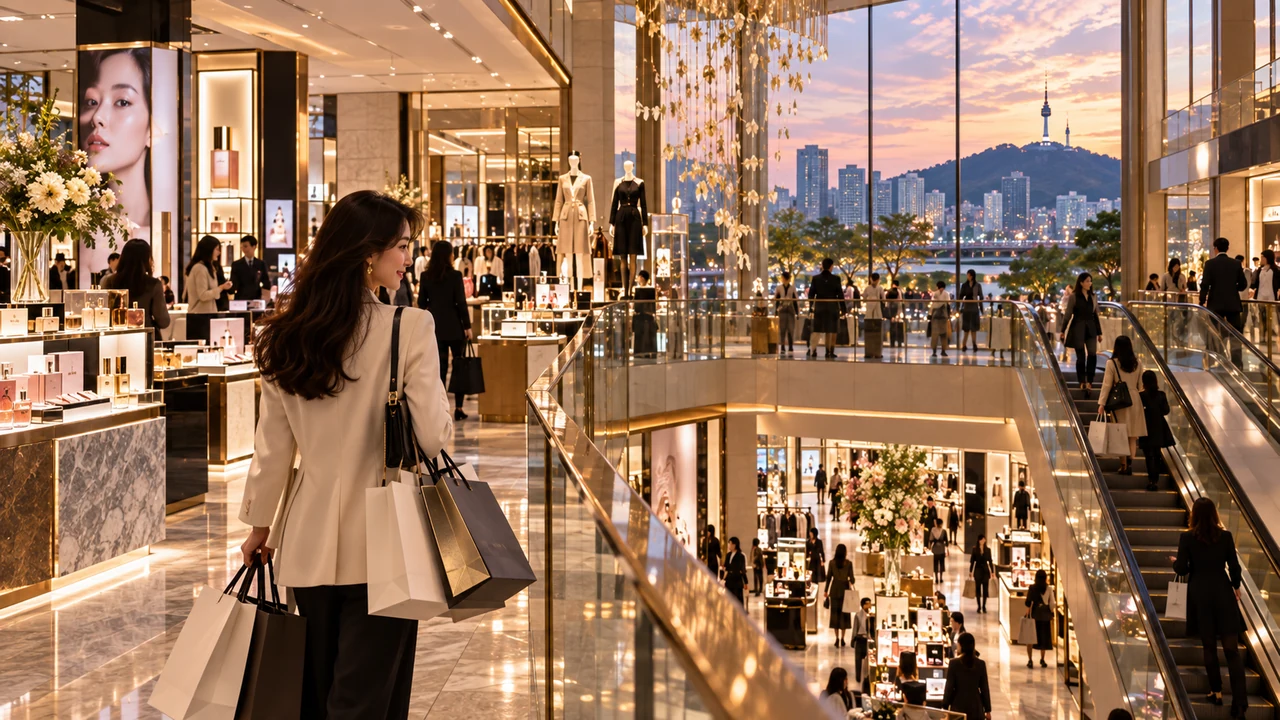
Seoul Department Stores Ranked for Visitors: Access, Scale & Local Appeal
Compare Seoul’s major department-store destinations by central access, scale, foreign-visitor orientation, local pull, food and luxury experience using transparent criteria.