Korean Sunscreen Shopping Guide: Choose by Skin Feel, Finish & Real Use
A decision-first Korean sunscreen guide for visitors: understand SPF/PA, compare matte/dewy/tone-up finishes, match the product to indoor versus outdoor use and makeup, and avoid buying only because a product is viral.
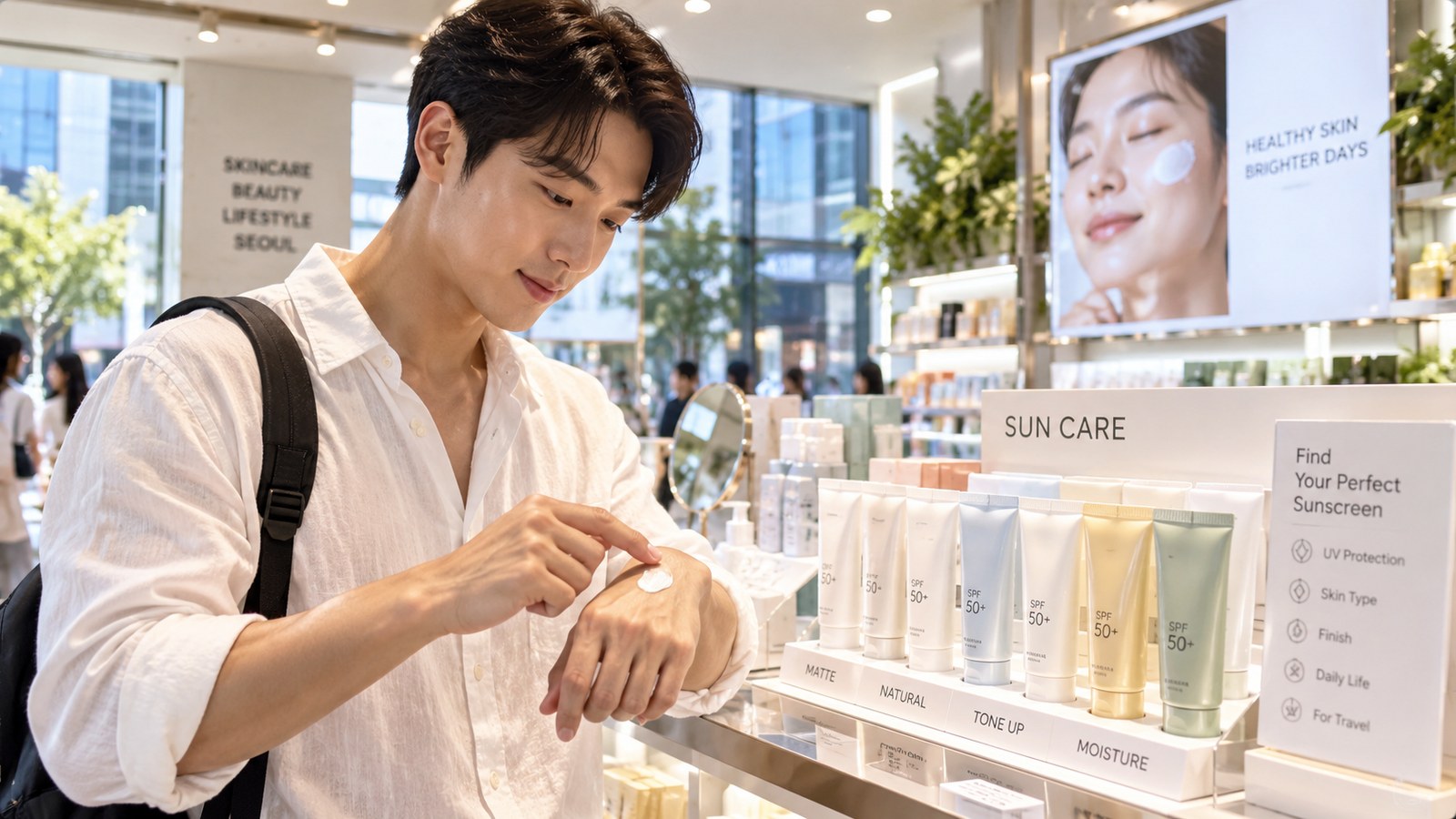
The best formula is the one you will apply enough and keep using
Once protection claims meet your needs, choose by outdoor use, finish, makeup compatibility, fragrance tolerance and the texture you will actually reapply.
Korean sunscreen shopping becomes confusing when every shelf seems to say SPF 50+, PA++++ and “lightweight.” If protection labels are similar, the decision moves to something more practical: Will you apply enough of it, will you reapply it, and does the finish fit your skin and daily routine?
Korea's Ministry of Food and Drug Safety classifies cosmetics that help protect skin from ultraviolet rays as functional cosmetics. SPF and PA claims are therefore regulated claims, not merely decorative marketing language. For a traveller, however, the highest printed number is only the beginning of the decision.
First understand the label
| Label | What it tells you | What it does not tell you |
|---|---|---|
| SPF | Primarily UVB protection performance under test conditions | Whether you will apply enough or reapply |
| PA / + marks | UVA-protection grading used on many Asian products | How matte, shiny, drying or comfortable it feels |
| Water-resistant claim | Designed for better persistence with water/sweat under stated conditions | That reapplication is unnecessary |
| Tone-up | Visible cosmetic brightening/tint effect | That it suits every skin tone |
Choose by use case before skin type
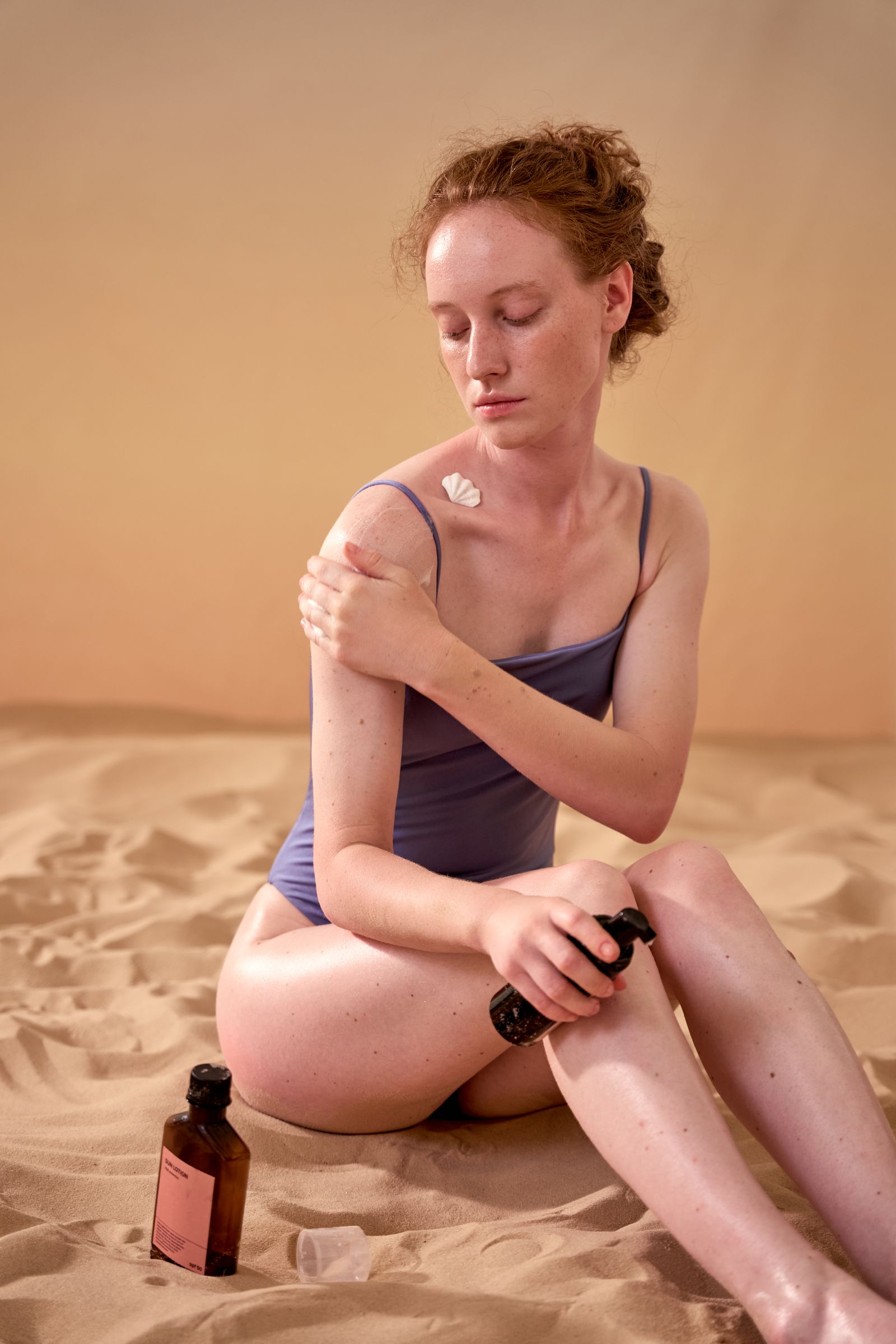
Office / city day: elegance under makeup, low eye sting for you, and willingness to reapply may matter more than maximum sweat resistance. Palace / hiking / outdoor day: prioritise a product explicitly designed for outdoor exposure and plan reapplication. Beach or water activity: look for the relevant water-resistance claim and follow the product directions.
Then choose by finish
Dewy / moisturising
Often comfortable for dry skin or travellers visiting Korea in cold, dry weather. The trade-off is that it may feel shiny under humid summer conditions or on oily skin.
Natural / invisible
A good first target for visitors who do not want sunscreen to change the look of the skin. “Invisible” is still personal—test on your own skin rather than assuming the store tester disappears on everyone.
Matte / sebum-controlling
Can be useful in humid weather or for oily skin, but a very matte formula can feel tight on dry or sensitised skin. If your face already feels dry after cleansing, do not buy a strongly mattifying sunscreen just because it photographs well.
Tone-up
Popular in Korean beauty because sunscreen can also function as a makeup base. Test it across the jaw or hand and look at it in natural light. A pink, lavender or white tone-up effect may look elegant on one complexion and chalky on another.
Makeup compatibility is its own test
If you wear foundation, cushion or concealer, check whether the sunscreen pills when another product is layered over it. Apply a normal amount to the back of the hand, let it set, then lightly layer a tester or your own base product if hygiene allows. Pilling can come from the combination, not necessarily from a “bad” sunscreen.
Dry, oily and sensitive are useful clues—not product guarantees
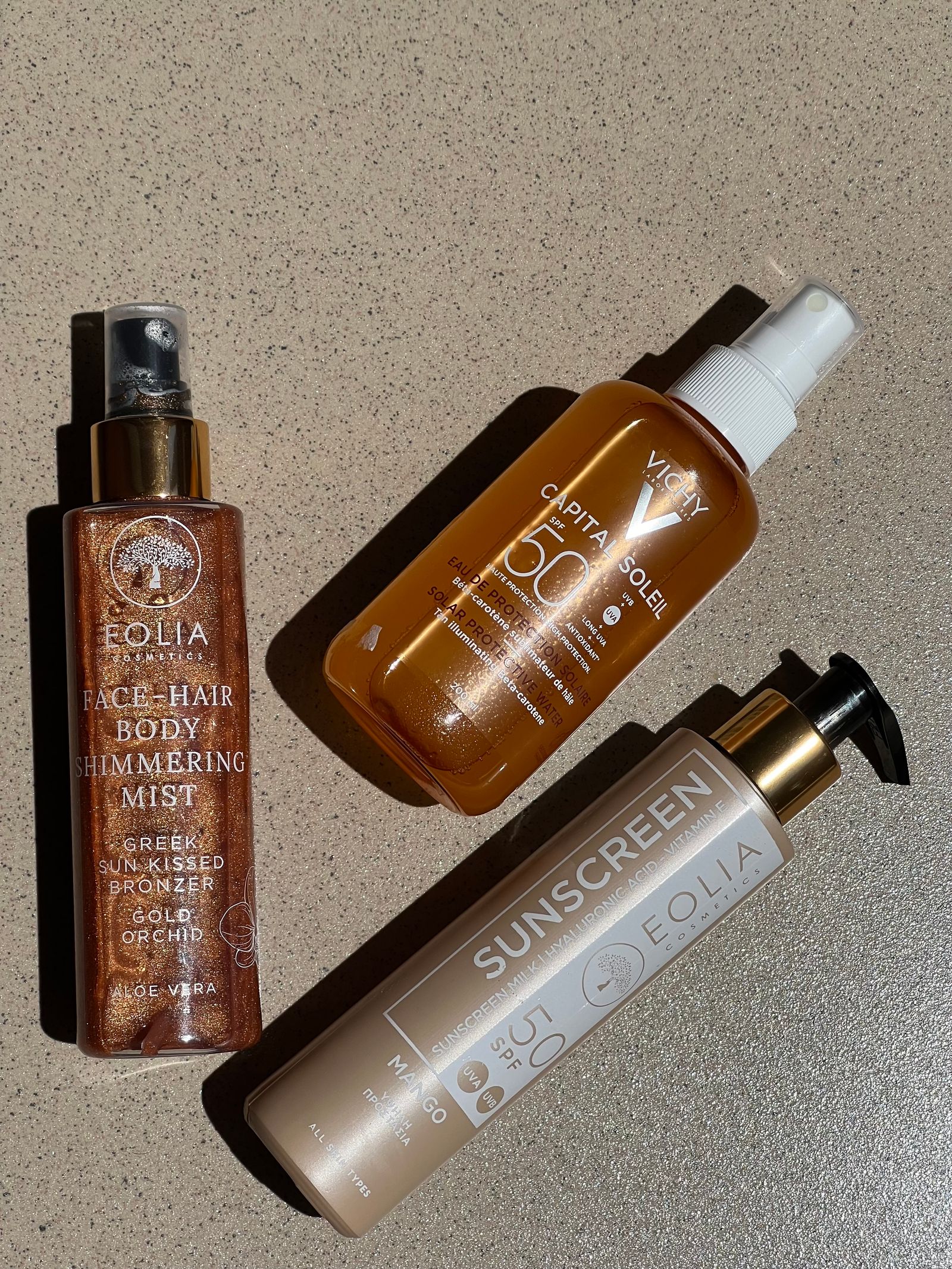
Dry skin may prefer creamier textures; oily skin may prefer lighter fluid/gel textures; sensitive skin may prefer simpler formulas that avoid ingredients already known to cause that individual irritation. These are shopping heuristics, not medical categories. If you have eczema, rosacea, contact dermatitis or a known allergy, use advice from your clinician rather than a travel-store ranking.
Fragrance and eye comfort
A pleasant scent in a tester can become annoying when used on the whole face every day. If you know fragrance bothers you, read the ingredient label rather than relying on the front of the package. Eye sting is highly individual; a formula praised as “gentle” online can still be uncomfortable for you.
Do not build a trip around a viral ranking
Beauty rankings are useful for discovering products, but they over-weight what is new and popular. A sunscreen is a repetitive-use product. The best travel purchase is the one you will apply consistently at home after the trip—not the one with the largest social-media display.
A 5-minute in-store chooser
- Decide: everyday city use or strong outdoor use?
- Choose your finish: dewy, natural, matte or tone-up.
- Check fragrance if that matters to you.
- Test texture and visible cast on your skin.
- If you wear makeup, test layering.
- Buy one first if your skin is reactive; do not buy a three-pack before you know you like it.
How much should you buy?
Sunscreen has a shelf life and your preferences may change by season. Multi-buy sets can be good value for a product you already know. For a first-time formula, one unit is often better value than three discounted units that you stop using.
Related guides
For ingredient caution and patch-testing workflow, see K-Beauty Shopping for Sensitive Skin. For a wider store strategy, see How to Shop Olive Young Without Overspending.
Continue planning from here
Use the next step that matches the decision you are making now: sensitive-skin guide, Olive Young strategy guide, first-time K-beauty shopping guide. These links are selected to continue the same travel task rather than send you back to a generic category page.
When comparing sunscreen in Korea, separate the product label from the shopping hype. Start with the SPF and PA information, then check the finish and format you are likely to use consistently, whether the label gives any water-resistance or reapplication directions relevant to your day, and whether your skin is already irritated by other products. A comfortable everyday product and a more durable outdoor option may solve different problems. If you are sensitive to fragrance or unfamiliar ingredients, test cautiously and use the related sensitive-skin guide before buying several products at once.
Sources
- Korea MFDS — Functional Cosmetics
- MFDS — 2026 cosmetic precautions and allergen-labelling regulation
Last reviewed: 29 September 2026. This is shopping guidance, not dermatologic or medical advice.
Use the guide, then test your own situation
If sunscreen is part of a larger beauty haul, check the total receipt and keep the purchase inside the budget you planned for the trip.
Related Guides
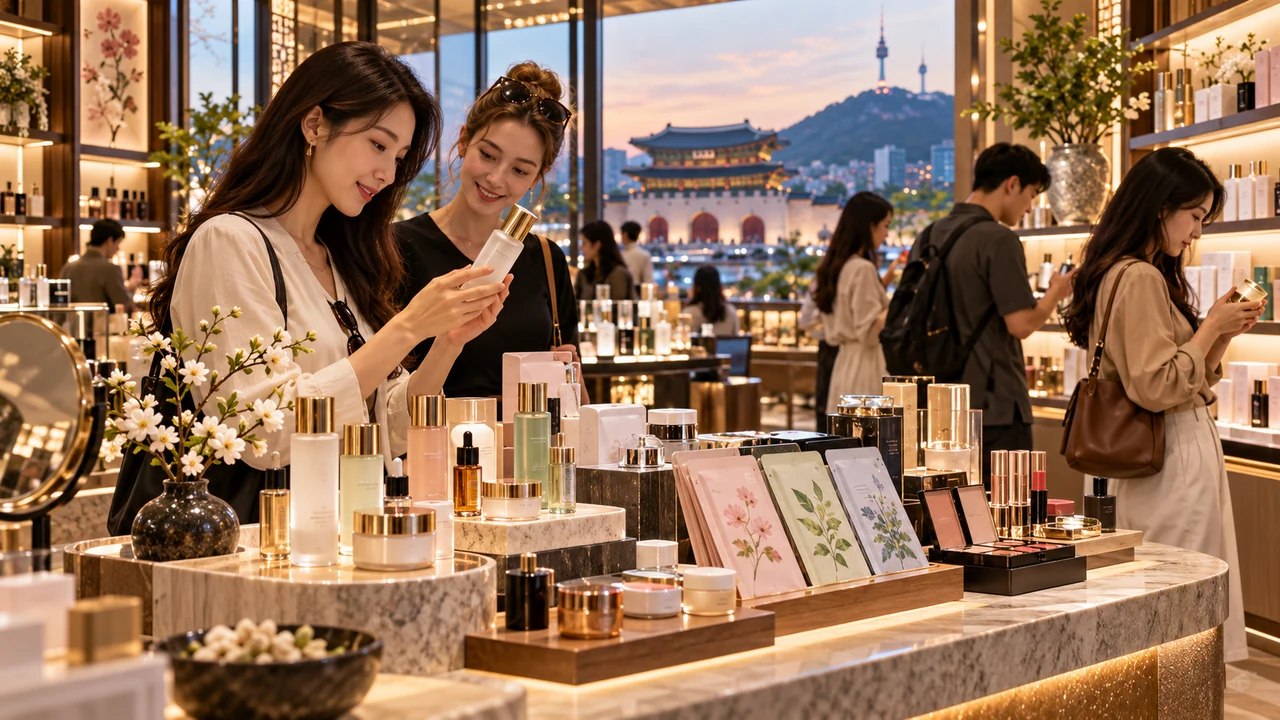
K-Beauty Shopping in Seoul: Visitor-Favourite Stores Ranked
Use published foreign-customer data and a transparent MikeyKorea visitor-utility ranking to choose between Olive Young, CHICOR and Beauty Play in Seoul.
Olive Young in Seoul: Which Store to Visit and How Not to Overspend
Choose an Olive Young store by purpose: efficient first-time K-beauty shopping, trend discovery, local atmosphere or a quick neighbourhood stop—then use a timed basket plan to control overspending.
K-Beauty for Sensitive Skin: A Safer Shopping Workflow for Visitors
A practical K-beauty workflow for reactive skin: read the full label, avoid stacking unfamiliar actives, separate fragrance sensitivity from marketing claims, patch-test cautiously and know when to stop.