K-Beauty for Sensitive Skin: A Safer Shopping Workflow for Visitors
A practical K-beauty workflow for reactive skin: read the full label, avoid stacking unfamiliar actives, separate fragrance sensitivity from marketing claims, patch-test cautiously and know when to stop.

Your known triggers matter more than a 'sensitive' label on the shelf
Start from what your skin already tolerates, read the whole ingredient list, add unfamiliar actives one at a time and use patch testing only as a screening step.
“Sensitive skin” is one of the easiest labels to market and one of the hardest to shop for. Two people who both call their skin sensitive may react to completely different ingredients, textures or combinations. That means the safest K-beauty strategy is not to search for a universal “sensitive-skin brand.” It is to build a low-experiment workflow.
Korea's Ministry of Food and Drug Safety updated its regulation on cosmetic precautions and allergen-related ingredient labelling in August 2026. For visitors, the practical lesson is straightforward: use the label. Front-of-pack words such as mild, clean, calming or hypoallergenic are not a substitute for checking the ingredients and warnings against your own known triggers.
Step 1: start from what your skin already tolerates
Before shopping, make a short list of products you use successfully at home: cleanser type, moisturiser texture, sunscreen finish and any active ingredients. Also note known problems—fragrance, certain botanical extracts, exfoliating acids, retinoids, essential oils or simply very rich textures. Your history is more useful than a stranger's “holy grail” recommendation.
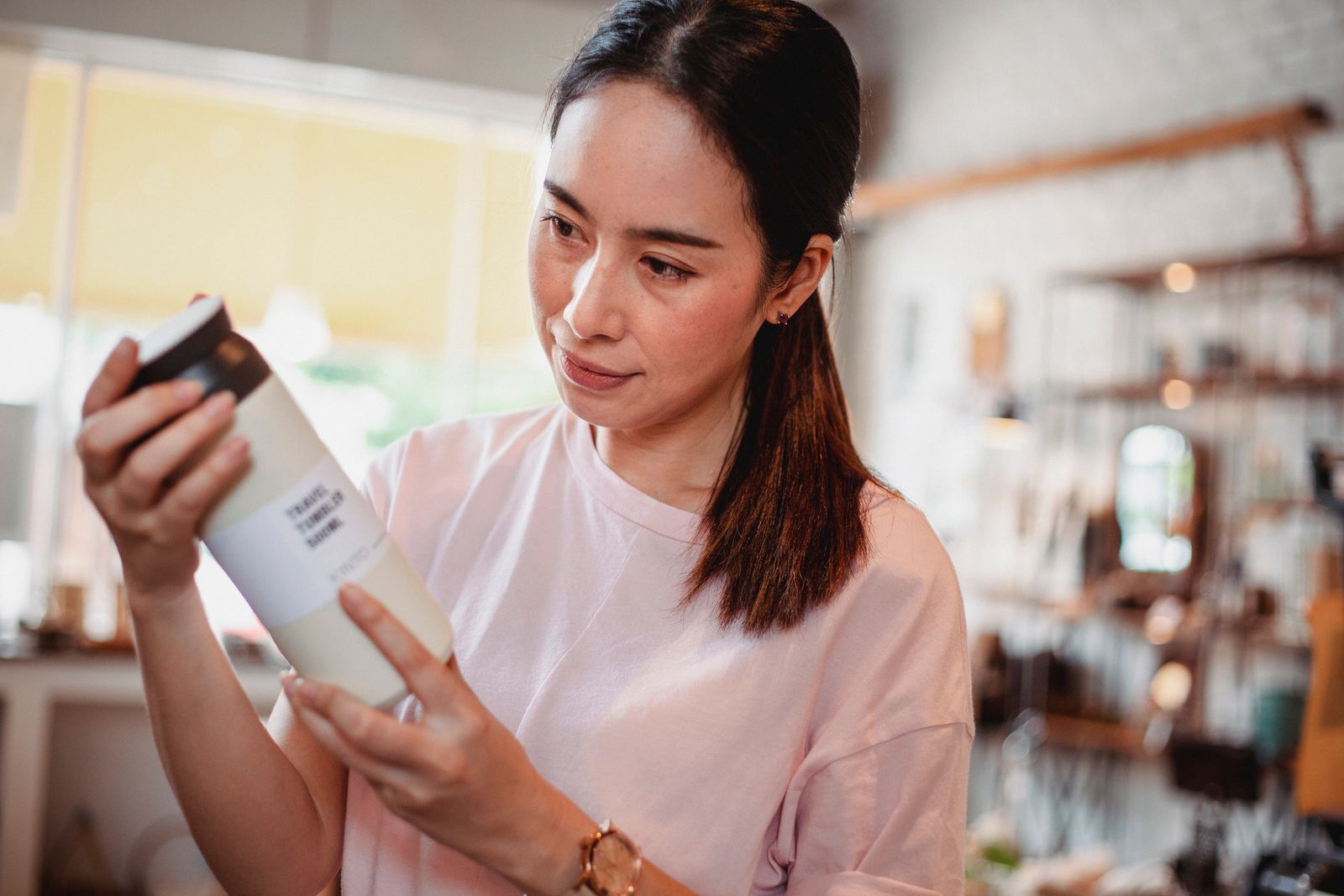
Step 2: read the full ingredient list, not the hero ingredient
A product advertised around centella, heartleaf, ceramides or another soothing ingredient is still a complete formula. It may also contain fragrance, exfoliating ingredients, alcohols, botanical extracts or preservatives that matter to you. None of those categories is automatically bad; the point is that the front label tells only part of the story.
If you already know a specific ingredient causes a reaction, search for that exact ingredient name rather than trying to interpret broad “clean beauty” claims.
Step 3: buy fewer new actives at once
The most common travel-shopping mistake is purchasing a toner, essence, ampoule, exfoliant, retinoid, vitamin C serum and mask because each is individually popular. If irritation appears, you cannot tell which product caused it.
For reactive skin, build in layers of certainty:
- Replace a product category you already understand.
- Add one unfamiliar treatment product at a time.
- Use it long enough to observe your skin before adding another active.
- Keep your basic cleanser/moisturiser routine stable while testing.
Fragrance: personal tolerance matters more than ideology
Some people tolerate fragranced skincare without difficulty; others know that fragrance is a trigger. The useful question is not whether the internet says “fragrance is bad,” but whether you have a history of reacting to fragranced products. MFDS maintains rules around cosmetic precautions and allergen-related labelling, but a compliant label cannot predict one person's reaction.
Patch testing: a screening step, not a guarantee
A small-area trial can help you avoid applying an unfamiliar product immediately to the full face. However, a patch test at home is not the same as formal medical allergy testing, and a product that seems fine on the arm can still irritate the face. If you have a history of significant allergic reactions or diagnosed contact dermatitis, ask a dermatologist or allergist for personalised advice.
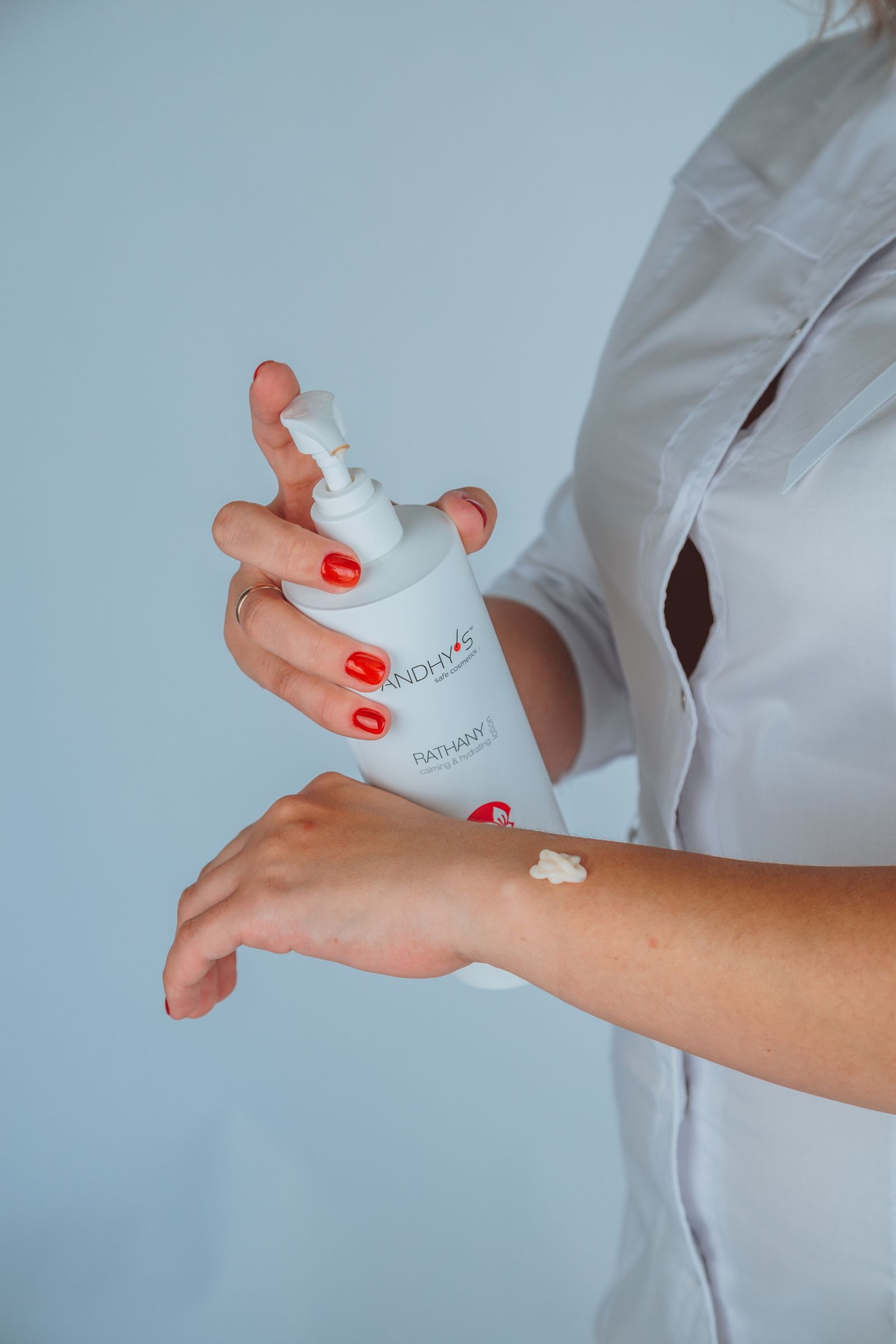
A conservative travel patch-test routine
When you are trying a normal cosmetic—not a prescription or medical treatment—apply a very small amount to a limited area according to the product instructions and observe. Do not intentionally test a product on already irritated or broken skin. If burning, marked redness, swelling or worsening irritation develops, stop using it. Severe swelling, breathing difficulty or other signs of a serious allergic reaction require urgent medical care.
Do not “repair” irritation by adding more products
If your skin becomes irritated during travel, the impulse to buy multiple calming serums can make troubleshooting harder. A simpler routine using products you already know is often easier to evaluate. New products can wait until the skin is comfortable again.
Which K-beauty categories deserve extra caution?
| Category | Why slow down | Shopping approach |
|---|---|---|
| Exfoliating acids | Easy to over-layer with other actives | Buy one; check concentration/use directions; do not stack immediately |
| Retinoid products | Can be irritating when introduced too aggressively | Do not combine several new actives on the same trip |
| Strongly fragranced products | Relevant if fragrance is your known trigger | Read the ingredient list; do not judge from “natural” marketing |
| Sheet masks / novelty products | Easy to buy in large quantities before testing | Try one type before purchasing a multipack |
| Very rich barrier creams | Comfortable for some, congesting/heavy for others | Choose texture based on your actual climate and routine |
Store strategy: one basket, two lists
Create a safe list (replacement cleanser, moisturiser, sunscreen) and an experiment list (one serum, one mask, one new treatment). Finish the safe list first. Then choose at most one or two experiments. This preserves the enjoyment of K-beauty shopping without making your entire routine unfamiliar.
When marketing terms are least useful
“Dermatologist tested,” “clean,” “natural,” “vegan,” “hypoallergenic,” and “for sensitive skin” can describe legitimate product properties or testing choices, but none guarantees that your individual skin will tolerate the formula. Use them as additional information, not as a substitute for your history and the ingredient list.
Related guides
For sun protection shopping, use Korean Sunscreen Shopping Guide. For choosing a store and controlling the basket, see Olive Young in Seoul.
Continue planning from here
Use the next step that matches the decision you are making now: Korean sunscreen guide, Olive Young strategy guide, first-time K-beauty guide. These links are selected to continue the same travel task rather than send you back to a generic category page.
Sources
- MFDS — Cosmetic precautions and allergen-related ingredient labelling regulation, 5 Aug 2026
- MFDS — Functional Cosmetics framework
Last reviewed: 29 September 2026. This article is for shopping risk reduction and does not diagnose or treat skin disease.
Use the guide, then test your own situation
Product suitability comes first. If you do buy a larger basket, use the shopping tools only after the skin-safety decision is already made.
Related Guides
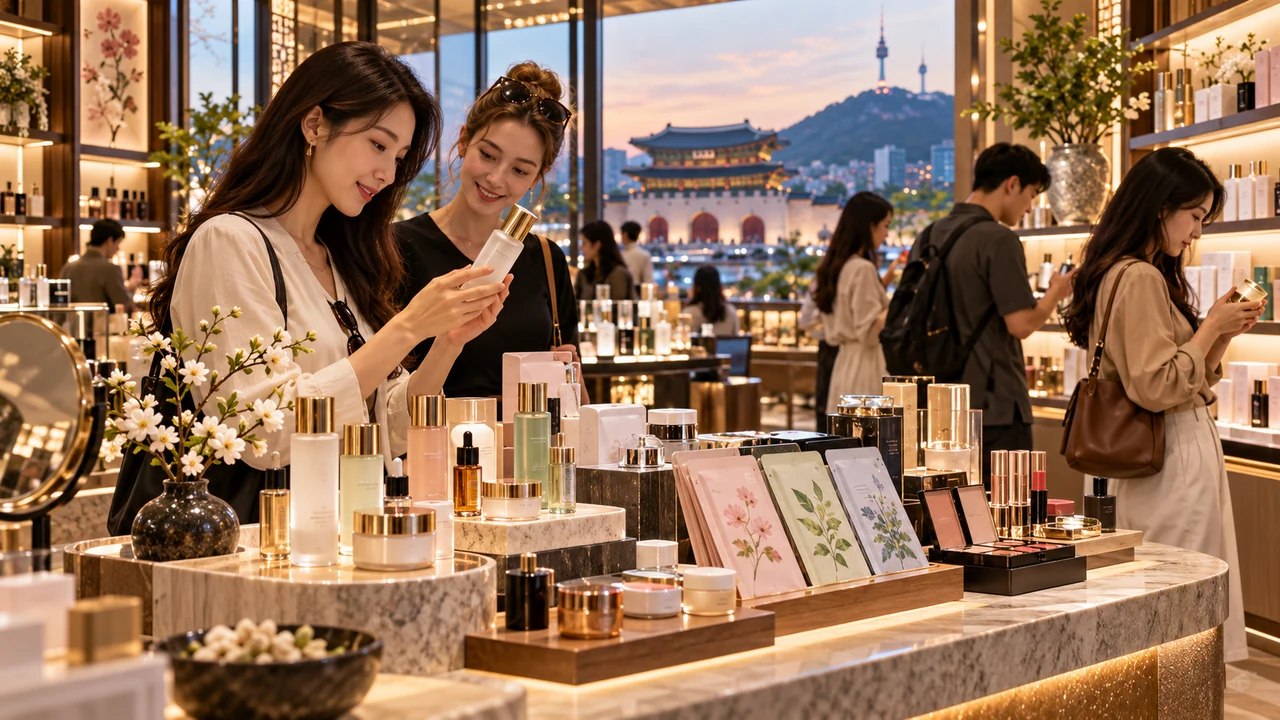
K-Beauty Shopping in Seoul: Visitor-Favourite Stores Ranked
Use published foreign-customer data and a transparent MikeyKorea visitor-utility ranking to choose between Olive Young, CHICOR and Beauty Play in Seoul.
Korean Sunscreen Shopping Guide: Choose by Skin Feel, Finish & Real Use
A decision-first Korean sunscreen guide for visitors: understand SPF/PA, compare matte/dewy/tone-up finishes, match the product to indoor versus outdoor use and makeup, and avoid buying only because a product is viral.
Olive Young in Seoul: Which Store to Visit and How Not to Overspend
Choose an Olive Young store by purpose: efficient first-time K-beauty shopping, trend discovery, local atmosphere or a quick neighbourhood stop—then use a timed basket plan to control overspending.